


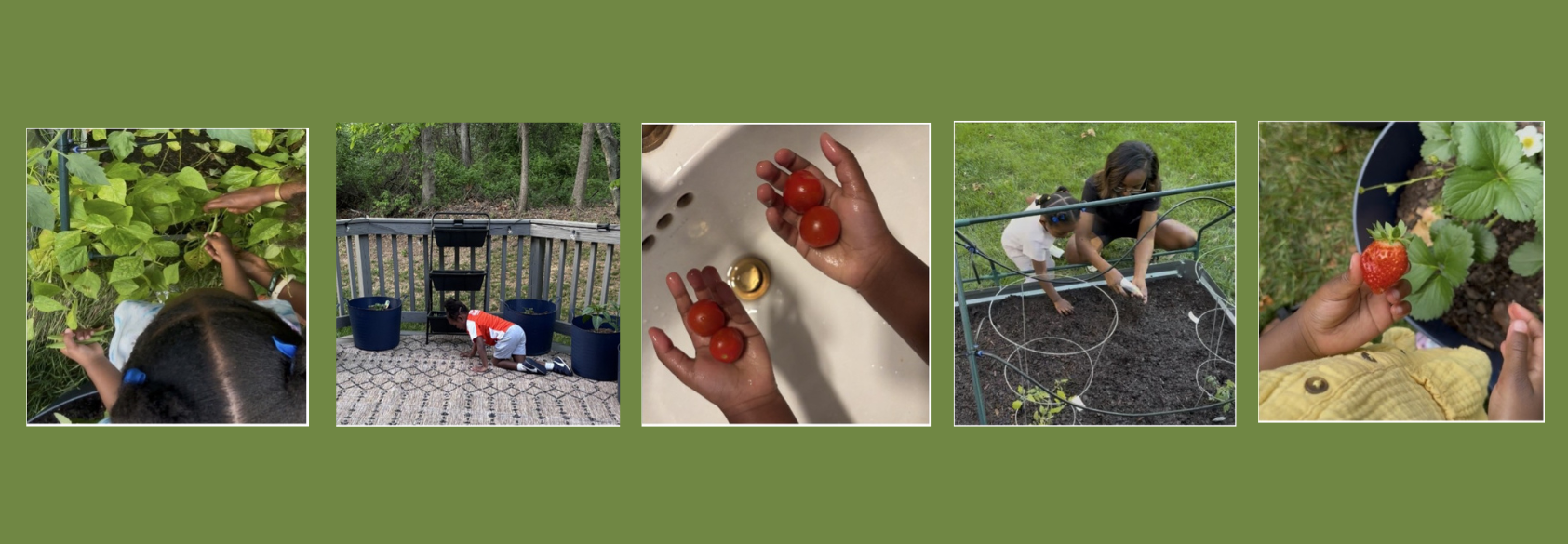

If you’ve glanced at the news lately, you’ve probably seen some unsettling headlines: concerns about rising grocery prices, plastics in our foods, disease outbreaks affecting livestock like the New World screwworm in parts of the U.S. and Central America, global health scares like Ebola outbreaks overseas, and ongoing conversations about food deserts, where fresh produce is hard to come by. These very real issues are part of why more people are rediscovering gardening.
This summer, more families are turning a windowsill, a balcony railing, or a corner of the backyard into something that feeds them. Personally, I think gardening with kids is one of the most rewarding things you can do as a family—not because it’ll solve every problem in the headlines, but because it gives you a small, real sense of control, connection, and even a little joy, no matter your age.
No Yard? No Problem: Container Gardening for Beginners
One of the biggest myths about gardening is that you need a big backyard to do it. You don’t need acres of farmland to grow your own food. You don’t even need a yard. All you really need is a pot, some soil, a little patience, and the willingness to let your kids get their hands dirty.
Here are a few ways families are growing food right now, no matter where they live:
- Container gardening. A few pots on a patio, porch, or even a windowsill can grow herbs, cherry tomatoes, peppers and greens. Almost anything that doesn’t need a ton of root space will work.
- Balcony gardening. Vertical planters, railing boxes and hanging baskets turn unused balcony space into a mini farm. Mint, strawberries and salad greens are great balcony starter plants.
- Community gardens. Many cities and towns have shared garden plots you can rent at little or no cost. They’re a wonderful way to grow more than a balcony allows, meet your neighbors and learn from gardeners who’ve been at it for years.
- Raised beds and in-ground gardens. If you do have outdoor space, raised beds make it easier to control soil quality and keep things organized as your garden grows season to season.
The format matters far less than the decision to start. A single pot of basil on a windowsill still counts.
Grow What You Actually Eat
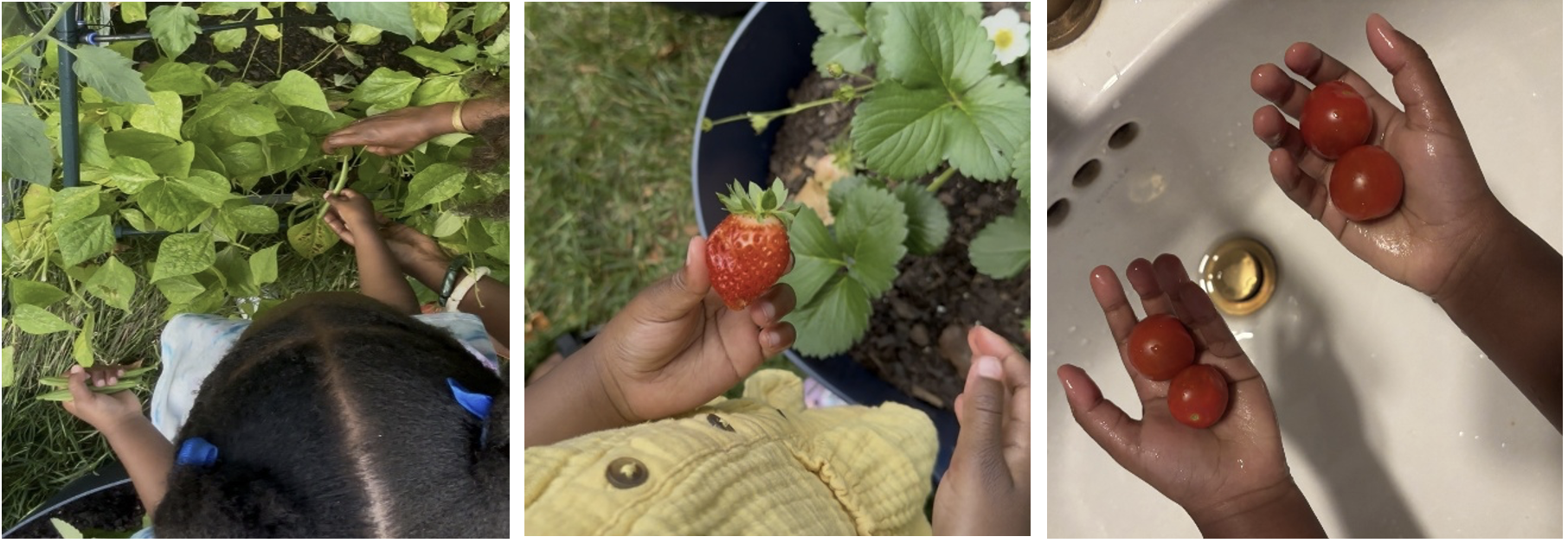
It’s tempting to get a little ambitious with seed catalogs (we’ve all been there), but the most satisfying gardens are the ones that end up on your dinner table. Before you plant anything, ask your family: what do we actually like to eat? My little one loves to snack on cherry and grape tomatoes, red bell peppers and string beans. Lucky for us, we’ve seen success planting all three this season. When kids get to help choose what’s planted—especially food they already love—they’re far more invested in watching it grow and far more willing to actually eat it once it’s ready. Research backs this up: The National Institutes of Health notes that kids involved in gardening tend to make healthier food choices, eat more fruits and vegetables, and build stronger social skills along the way.
From a Balcony to a Backyard: My Own Garden Story
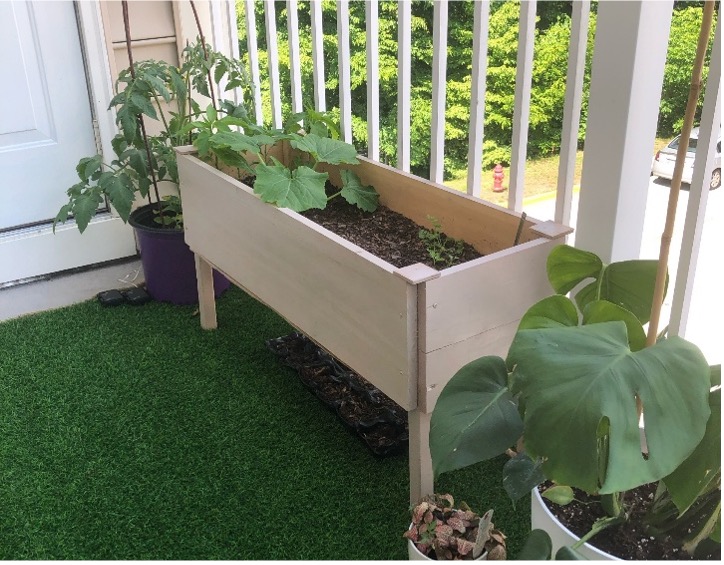 During the pandemic, I turned to gardening as a quarantine hobby. My entire garden fit on a balcony: a couple of pots of cherry tomatoes, a struggling zucchini plant, and mint that, true to its reputation, tried to take over everything else. It wasn’t fancy, but it was mine, and it taught me the basics—how much sun things need, how easy it is to overwater, and how good a tomato tastes when you grow it yourself.
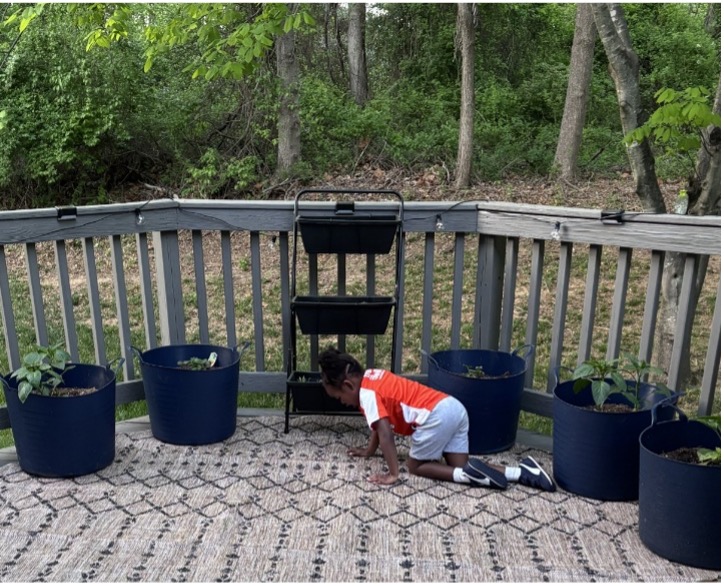 Since then, my family has grown, and we moved to a home that had a perfect spot for a covered, raised garden bed with tomatoes, string beans, strawberries and bell peppers. My favorite part of this year’s garden is that my 2-year-old daughter planted the string beans herself, and in a few months (we’ll get to that later), she got to pick them. Watching her little hands pull a bean off the vine that she planted was, hands down, one of the best moments of my summer. She had no idea she was learning about patience, food systems, and responsibility. She just knew the bean was hers, and it was delicious.
That’s really the heart of this: Gardening isn’t just about the food. It’s about the process, and that process is something every age can take part in, from a toddler dropping a seed in dirt to a teenager building their own raised bed.
The Wins, the Losses, and the Lessons
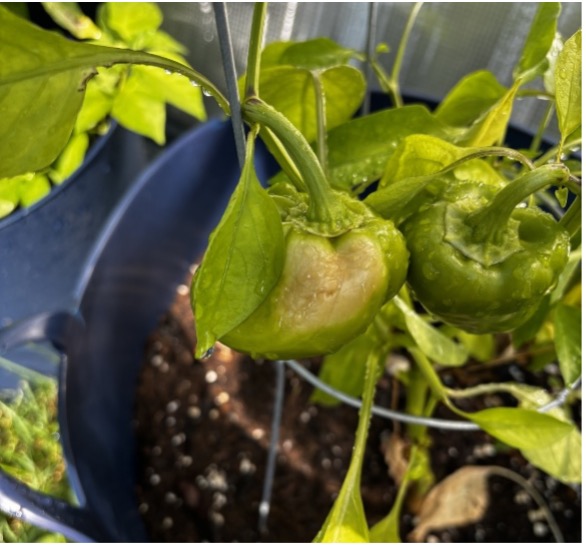 Here’s something every gardener learns eventually: You don’t control everything. Torrential downpours, a delayed “last” frost, a surprise heat wave (we’ve experienced all of these this season), a hungry deer—any of these can affect your harvest, no matter how carefully you planted. My zucchini plant on that first balcony never quite took off no matter what I tried. Just recently, a stretch of brutal heat scorched a few of our peppers before we figured out they needed more shade than we’d given them. But that’s the joy and pain of gardening. Every gardener loses something at some point, and every gardener learns from it. Sometimes you do everything right but the outcome is still out of your hands. This is actually one of the best lessons to share with kids. Weather, pests and timing all play a role; and learning to adjust is part of the fun. It also builds a kind of resilience that’s hard to teach any other way.
Growing Together: Encouraging Your Neighbors to Garden, Too
A good harvest is almost always more than one family can eat. That simply gives you a reason to share. Take a basket of extra tomatoes to a neighbor. Trade your mint for someone else’s strawberries. Encourage a neighbor who’s been curious about gardening to start their own pot on the porch. In communities where fresh produce isn’t always easy to find, even a few households growing and sharing food can genuinely make a difference for the people around them. One family’s garden becomes a few tomatoes for a neighbor, which becomes a swap of seedlings in spring, which becomes a street where more people are growing, sharing and looking out for each other.
Gardening Activities for Kids of Every Age
Gardening is one of the rare activities that genuinely works for toddlers, teens and grandparents alike. A few ideas to make it fun at every stage:
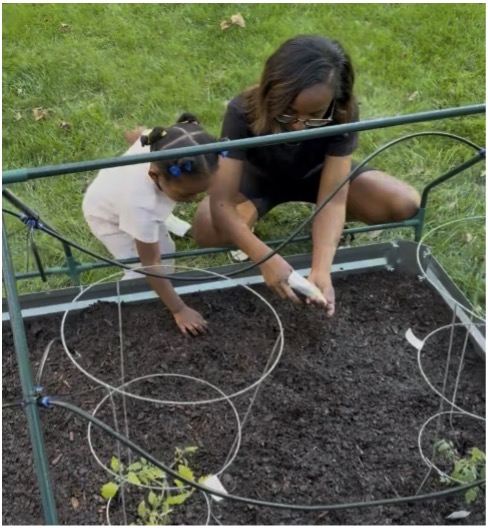
- Little ones (birth–5): Let them get dirty. Digging holes, patting down soil, and watering with a small can are perfect toddler jobs. Focus on big seeds (beans, sunflowers) that are easy for little hands to plant and satisfying to watch grow.
- Kids (6–12): Give them their own small plot or pot to manage. Let them pick one or two things to grow themselves, track growth with a simple journal or photos, and celebrate the first harvest like the big deal it is.
- Teens (13–17): Hand over more responsibility—building a raised bed, researching companion planting, or managing a compost bin. Bonus points if they help cook something with what they grew.
- Adults and grandparents: Use it as a reason to slow down, get outside, and pass down what they know (or learn something new alongside the kids). Multigenerational gardening is a wonderful way to swap stories while your hands are busy.
However you do it, the goal is the same: Make it something the whole family looks forward to, not one more chore on the list. If you want age-by-age project ideas, KidsGardening offers free activities and lesson plans for families and educators alike.
How to Start a Family Garden This Week
- Pick one or two things your family already loves to eat and do some research on the best time to plant.
- Choose your space—whether it’s a pot, a balcony railing, a community garden plot or a backyard bed.
- Start small. A few pots done well beat an ambitious garden that gets overwhelming by July.
- Get the kids involved from Day 1. Planting the seed is half the fun.
- Expect some losses. Adjust, try again and don’t let one bad pepper plant discourage you.
- Share the extras. Your harvest is a great excuse to know your neighbors a little better.
A garden may not solve everything in the headlines, but it will give your family something to nurture, something to learn from and something delicious to share; and that’s plenty of reason to start.
If you’re looking for more family learning resources this summer, explore free summer learning activities and family engagement resources at Share My Lesson.
FAQ: Gardening With Kids
What are the easiest vegetables to grow with kids?
Cherry tomatoes, string beans, bell peppers, salad greens and herbs like basil and mint are all forgiving, fast-growing and fun to harvest. Big seeds like beans and sunflowers are especially good for little hands.
Can you start a garden without a yard?
Yes. Container gardening on a windowsill, balcony railing boxes and community garden plots all work. A single pot of herbs or cherry tomatoes is a real garden—no backyard required.
What benefits do kids get from gardening?
According to the National Institutes of Health, children who garden tend to make healthier food choices, eat more fruits and vegetables, and develop stronger social skills. Gardening also teaches patience, responsibility and resilience when things don’t go as planned.
Is it too late to start a garden in the middle of summer?
No. Fast growers like salad greens, radishes, bush beans and most herbs can be planted in midsummer, and late summer is a great time to start a fall garden. The best time to start is whenever your family is ready.
How does gardening support summer learning?
A family garden is a hands-on lab for science (plant life cycles, weather, pollinators), math (measuring growth, counting harvests) and social and emotional skills like responsibility and patience—all without a worksheet in sight.
Quick Summary for Educators and Families
- Share My Lesson views gardening with kids as a high-impact summer learning and family engagement activity: Families can start with a single container of herbs or cherry tomatoes (no yard needed).
- Research cited by the National Institutes of Health shows kids who garden make healthier food choices, eat more fruits and vegetables, and build social skills—making a family garden both a wellness and a learning win.
- Share My Lesson (sharemylesson.com), from the AFT, offers free preK–12 lessons and family resources connecting gardening to nutrition, food access and community.
Your Summer of Learning
This summer, tune into learning with Share My Lesson’s Summer of Learning collection featuring 30+ free, for-credit webinars, classroom-ready lesson plans and engaging resources for educators, parents and students.
Family Engagement Resources
Whether you're a seasoned educator looking for fresh ideas or a new teacher seeking guidance, this collection offers something for everyone. Together, we can make education a shared responsibility and a journey of growth for students, teachers and caregivers alike.

Natalie Dean is the Associate Director of affiliate engagement for Share My Lesson at the AFT. She manages the site's outreach strategy and national contests, while promoting its value to AFT members to more than 3,000 local AFT affiliates.
Advertisement


