
About This Lesson
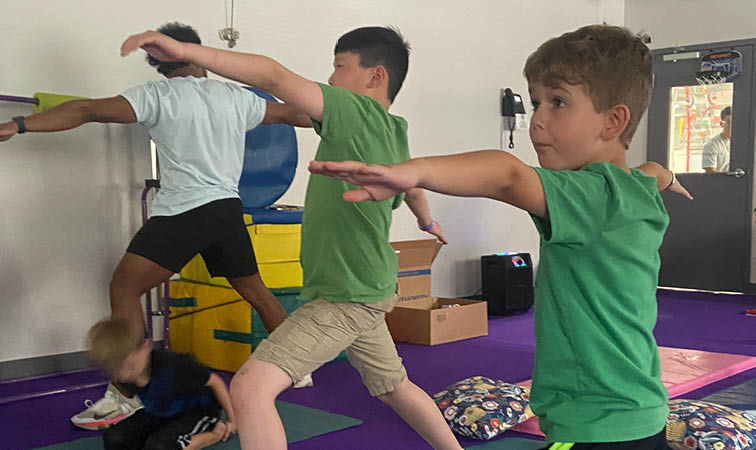
Movement is a powerful tool for supporting emotional regulation, focus, and wellbeing, especially during times of transition, increased structure, or rising classroom demands. When students engage in joyful, intentional movement, they are better able to reset their energy, manage stress, and reconnect with learning.
This Movement for Happiness mini pack helps students explore how different types of movement can shift how they feel, while building simple, sustainable habits for regulation throughout the day. Through hands-on, autism-friendly activities, students learn that movement doesn’t have to be big or structured to be meaningful—it just needs to feel good.
Students will create their own “Movement for Happiness” experiences by identifying emotions they want to feel, reflecting on past movement experiences, and building a personalized Movement Snack Jar filled with quick, accessible movement ideas they can use anytime they need a reset.
Here’s what you’ll get:
- Brain Breaks & Movement Pack (quick classroom-friendly movement ideas)
- My Movement Recipe activity (personalized movement + emotion connection)
- Movement Reflection activity (write, draw, or share about movement experiences)
- Movement Snack Jar template (build a collection of quick movement ideas)
- Teacher implementation suggestions
- Autism-friendly visual supports
- Access to additional Movement for Happiness lesson ideas and resources
Why you’ll love this activity bundle:
- Makes movement intentional, fun, and student-centered
- Supports emotional regulation and self-awareness
- Provides quick, practical brain breaks for any setting
- Encourages reflection on body-mind connection
- Supports IEP and BIP goals related to regulation, attention, and engagement
- Designed with autism-friendly, flexible learning needs in mind
Ways to use:
- Daily brain breaks and classroom transitions
- SEL lessons focused on emotions and regulation
- Small group or counseling sessions
- Special education and autism support classrooms
- Home routines for regulation and wellbeing
- Morning meetings or reset moments during the day
What is Movement for Happiness?
Movement for Happiness is a wellbeing practice that emphasizes the importance of joyful movement for mental and physical health. Engaging in joyful movement can immediately lift your mood, with no minimum amount of movement required to experience the positive effects. Over time, regular movement can lead to greater happiness and life satisfaction.
For autistic students, who are often less physically active, integrating daily movement breaks and reflections can be a powerful way to boost physical wellbeing and happiness. This wellbeing skill offers tools and strategies to help educators, students, and staff start incorporating movement into their lives and teaching others to do the same, promoting happiness both inside and outside the classroom.
Science of Movement for Happiness
Movement has been known to trigger the release of endorphins, the brain's "feel-good" hormones. These hormones promote mental health and mood enhancement, famously referred to as the "runner's high." Recent research has revealed that muscles also play a vital role in mood regulation. The benefits of regular movement include:
- Higher levels of happiness
- Enhanced mood and immune function
- Improved sleep quality and duration
- Better cognitive and behavioral functioning
- Increased social inclusion and overall wellbeing for individuals with intellectual and developmental disabilities (IDD).
Looking for more Movement for Happiness Resources?
Explore the free Movement for Happiness Unit Study, which includes teaching slides, additional worksheets and activities, and even IEP and BIP recommendations tailored specifically to students with autism.
Proof Positive’s resources are and will always be free. Be well!
Bonus access to full lesson plans and unit studies on the skills of happiness at our Skill Center