. Skip to main content
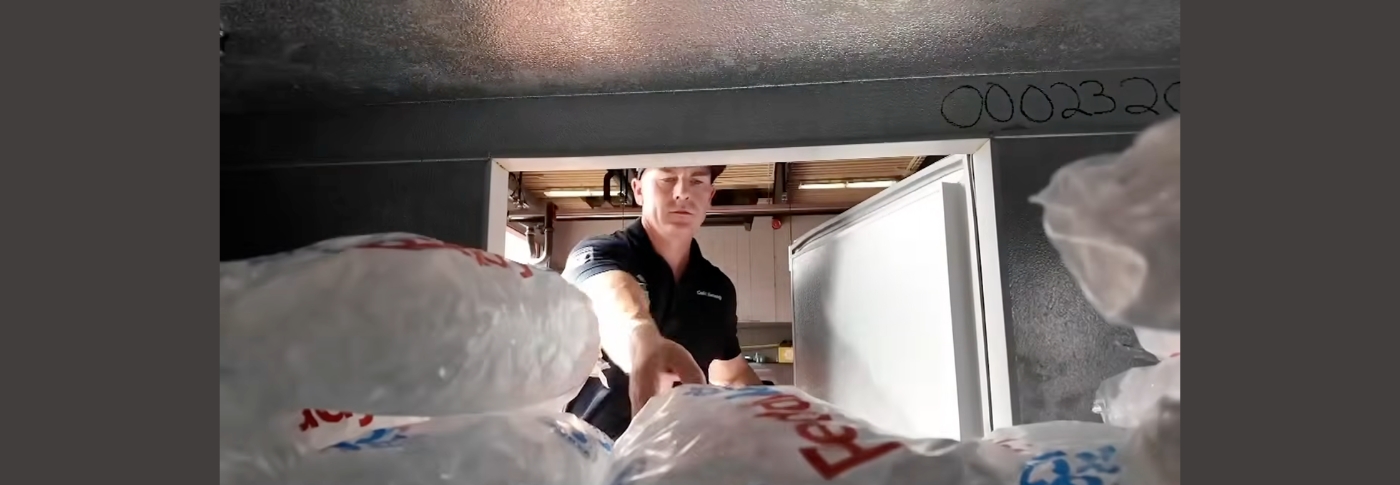
A firefighter loads bags of ice into a chest freezer at a fire station, viewed from inside the cooler.

A Phoenix firefighter stocks bags of ice used to rapidly cool patients suffering from heatstroke, part of a new emergency response to extreme heat. Photo: PBS NewsHour

In One of the Nation's Hottest Cities, Bags of Ice Are Helping Save Lives

August 31, 2026

In One of the Nation's Hottest Cities, Bags of Ice Are Helping Save Lives

Extreme heat kills more Americans than any other weather threat. In Phoenix, where heat outpaces homicides, firefighters are turning to a low-tech lifesaver: bags of ice. Students explore how cities can protect people from deadly heat.

Share

Share On Facebook
Share On Twitter
Share On Pinterest
Share On LinkedIn
Email

Extreme heat is the deadliest weather-related threat in the U.S. In Phoenix, heat kills more people than homicides each year. So the city is turning to an unlikely lifesaver: bags of ice. And the fire department is creating a new model in the battle against heatstroke. For our series, Tipping Point, Ben Tracy of Climate Central shows how this low-tech approach is saving lives.

View the transcript of the story.

Short on time? Watch the video and complete the following See, Think, Wonder questions: What did you notice? What did the story make you think? What would you want to learn more about?

Remote video URL

Warm-Up Questions

  1. Where (in what city) does heat kill more people than homicides every year?
  2. Who is Ben Tracy, and what is his background?
  3. How do firefighters attempt to treat heatstroke?
  4. Why are cities like Phoenix having to deal with more cases of heatstroke in recent years?
  5. What are some of the reasons that the ice bag response is effective?

Essential Questions

  • Can you think of ways to make cooling resources available to people who may be experiencing heat stroke in cities like Phoenix? What about cases where emergency response like firefighters are not able to reach victims in time?
  • Why do you think firefighters have developed a low-tech method for dealing with heatstroke? Can you think of more sophisticated technology that might help emergency response if available?
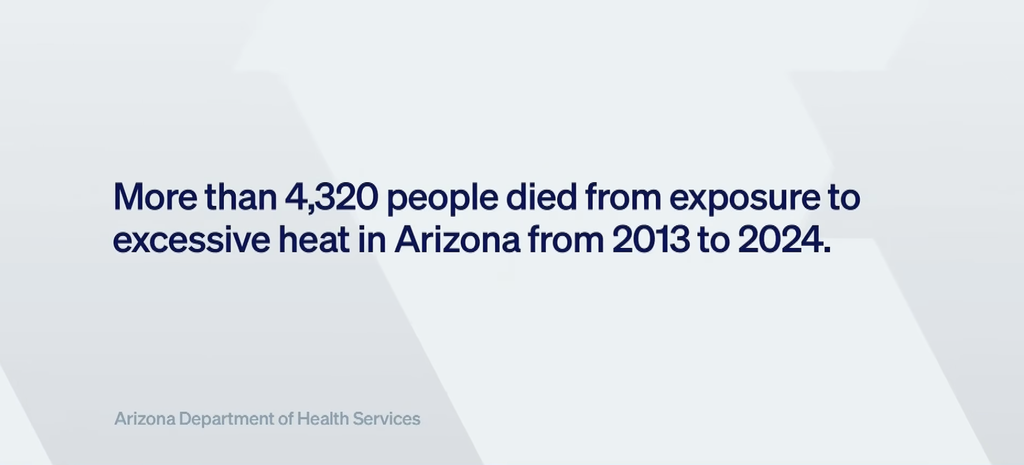
  • Media literacy: Examine the infographic below. Then discuss — Does this number surprise you? Is extreme heat a threat during summers where you live? How could you find out?

Arizona Department of Health Services graphic: more than 4,320 people died from excessive heat exposure in Arizona from 2013 to 2024.

What Students Can Do

This segment was about ways that emergency responders treat people experiencing heat stroke in cities. But what can be done to prevent heat-related illness in the first place? Check out this lesson and begin brainstorming ways to reduce heat in cities, or offer relief for people who may be at risk of heat illness.

As a class, discuss — how can we plan cities to make them safer for people during periods of extreme heat?

Lesson Plans on Climate Change

Explore more resources for educators to find a wide-range of relevant preK-12 lessons on climate change or supporting young people as they continue to lead the conversation around the climate change crisis.

Republished with permission from PBS News Hour Classroom.

PBS News Hour Classroom
PBS News Hour Classroom helps teachers and students identify the who, what, where and why-it-matters of the major national and international news stories. The site combines the best of News Hour's reliable, trustworthy news program with lesson plans developed specifically for... See More
Advertisement

Post a comment

Log in or sign up to post a comment.