Ousted Election Assistance Commission Chair on Trump's Effort to Control Voting
Explore the role of the Election Assistance Commission, election administration, and public trust in voting as students examine efforts to oversee U.S. elections and discuss election integrity.
Preparations for elections can take months or years. From registering voters to maintaining voting machines, it is carried out by state and local jurisdictions, with support from the federal government. But in this election year, the agency that helps those efforts is effectively unable to function. Geoff Bennett spoke with Thomas Hicks, who served on the Election Assistance Commission.
What role does the Election Assistance Commission serve during elections?
Where can the lack of trust civilians have toward the credibility of voting polls be come from, according to Hicks?
When is the next election taking place?
Why does Hicks believe that having veterans as poll workers will draw greater attention from non-veterans in voting during election season?
Essential Questions
How do you think the federal government could best protect fair elections?
What do you think leads the most to doubt about election integrity in the United States?
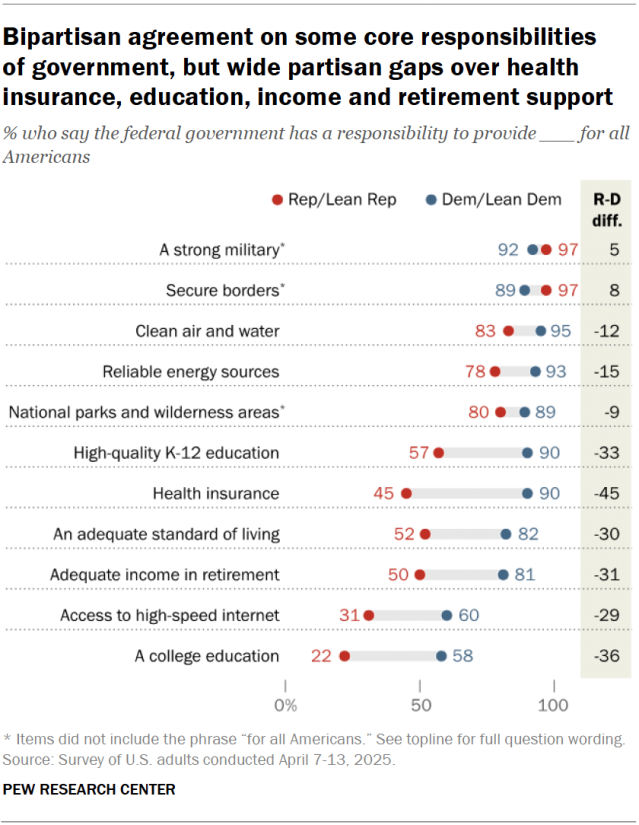
Media literacy: Read over the following image on bipartisan agreement over government responsibility. After reviewing the image, ask yourself:
What surprised you the most in the chart?
Who seems to have the most skepticism toward elections?
Web Photo - Pew Research Center
What Students Can Do
It is important to understand that even as young students, understanding the roles different branches of government play is crucial to gaining political literacy. Break up into small groups and select one political group as follows:
Federal Government
State Government
City Government
After the group has made their selection, take time to research more on the different branches that exist within the form of government selected. Understand who your government type serves and what each branches overarching goal is. Once you are finished, share with the class your discoveries.
Written by PBS News Hour Classroom Intern Justin Vasquez with editing from Luke Gerwe.
Republished with permission from PBS News Hour Classroom.
2026 Election Lesson Plans and Resources
Explore our election resources to engage your students in learning about the election process and its significance at every level. Discover lessons on election fundamentals, laws, security, current events, youth involvement, and historic U.S. elections.
PBS News Hour Classroom helps teachers and students identify the who, what, where and why-it-matters of the major national and international news stories. The site combines the best of News Hour's reliable, trustworthy news program with lesson plans developed specifically for... See More