. Skip to main content
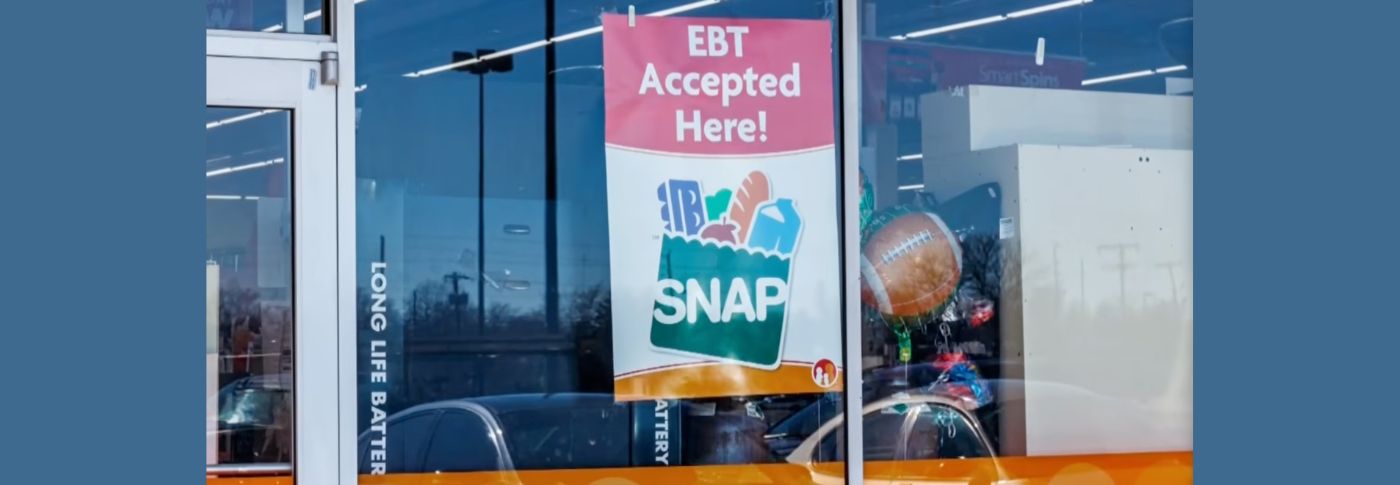
A store window displays a sign reading "EBT Accepted Here!" with the SNAP logo, showing a grocery bag filled with food items, at a retail location.

A sign advertises SNAP and EBT acceptance at a retail store. More than 3.5 million people have lost access to food assistance since the passage of the One Big Beautiful Bill Act, as states implement new eligibility requirements and stricter application processes. Photo credit: PBS News Hour

Millions Lose SNAP Benefits as One Big Beautiful Bill's Stricter Requirements Kick In

June 12, 2026

Millions Lose SNAP Benefits as One Big Beautiful Bill's Stricter Requirements Kick In

More than 3.5 million Americans have lost food assistance since Congress passed the One Big Beautiful Bill. Here is who is most affected, what the new rules require, and what students can do to understand the data in their own state.

Share

Share On Facebook
Share On Twitter
Share On Pinterest
Share On LinkedIn
Email

SNAP enrollment has fallen sharply nationwide since the passage of the One Big Beautiful Bill Act last summer. More than 3.5 million people have lost access to the food assistance, as states implement new eligibility requirements and stricter application processes. William Brangham reports on what’s happening and speaks with Harvard professor of public health policy Sara Naomi Bleich for more.

View the transcript of the story.

NOTE: If you are short on time, watch the video and complete this See, Think, Wonder activity: What did you notice? What did the story make you think? What would you want to learn more about?

Remote video URL

Warm-Up Questions

  1. Who is mentioned in the video defending the reduction of SNAP benefits?
  2. What is SNAP? What is the estimated number of people nationwide who have lost access to SNAP benefits?
  3. When was H.R. 1 passed into law?
  4. Where in the United States has SNAP enrollment declined the most dramatically?
  5. Why are many eligible individuals discouraged from reapplying for SNAP benefits?

Essential Questions

  • Do you agree with Arizona's approach to how it's handling new challenges under SNAP? Explain.
  • In the video, Sara Naomi Bleich describes the obstacles imposed by the government as “not consistent with the mission of SNAP.” Do you agree or disagree?
  • Media literacy: Notice how the video featured two individuals with opposing viewpoints. How did the inclusion of an opposing viewpoint affect your understanding of the issue? Did it make you more receptive to considering other ideas?

What Students Can Do

Take some time to take a closer look at what SNAP access looked like in your state before the passage of H.R. 1. Use this fact sheet published by the Center on Budget and Policy Priorities to select your state and learn more. How many people benefited from SNAP? What was the average monthly benefit received? Which demographic groups were most likely to participate in the program?
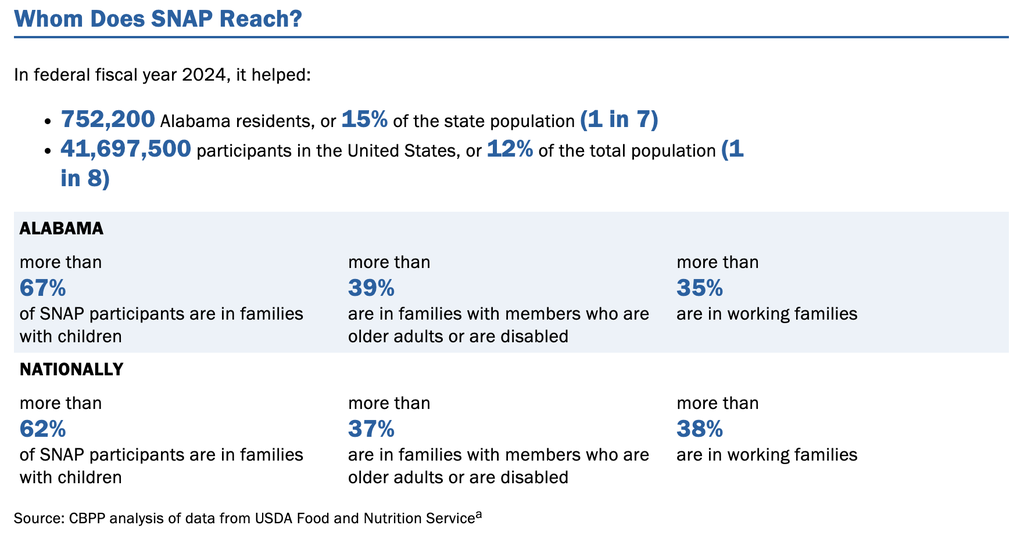
A Center on Budget and Policy Priorities infographic titled "Whom Does SNAP Reach?" showing that in federal fiscal year 2024, SNAP helped 41.7 million Americans nationally (1 in 8) and 752,200 Alabama residents (1 in 7), with breakdowns showing majorities of participants are in families with children, older adults or disabled family members, and working families.

Next, read this report by the Food Action and Research Center on how states may be affected by recent SNAP changes. What trends, projections or scenarios stand out to you? How do you feel after learning about the potential impacts on different communities?

If you feel strongly about this topic, civic engagement is one way to make your voice heard. Students can contact their Congressional and state representatives to ask questions, share their views or learn more about how elected officials are approaching SNAP policy. Use this site to look for your representatives and senators.

2026 Election Lesson Plans and Resources


Explore our election resources to engage your students in learning about the election process and its significance at every level. Discover lessons on election fundamentals, laws, security, current events, youth involvement, and historic U.S. elections.

Republished with permission from PBS News Hour Classroom.

PBS News Hour Classroom
PBS News Hour Classroom helps teachers and students identify the who, what, where and why-it-matters of the major national and international news stories. The site combines the best of News Hour's reliable, trustworthy news program with lesson plans developed specifically for... See More
Advertisement

Post a comment

Log in or sign up to post a comment.