


Thomas Jefferson’s Complicated Legacy 250 Years After the Declaration of Independence
Explore Thomas Jefferson’s legacy, slavery, and the contradictions of the Declaration of Independence in this PBS NewsHour classroom lesson.
Share
July 28, 2026
Explore Thomas Jefferson’s legacy, slavery, and the contradictions of the Declaration of Independence in this PBS NewsHour classroom lesson.
Share
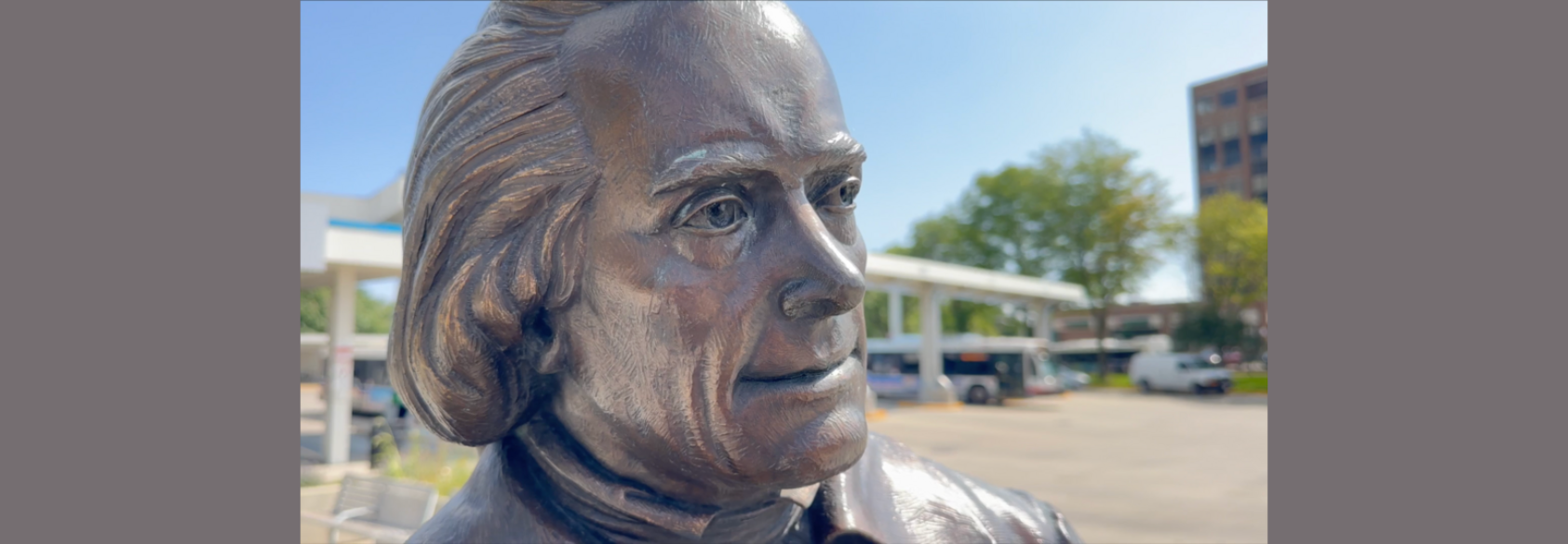
It's been 250 years since Thomas Jefferson wrote the Declaration of Independence, a document that declared all men equal even while hundreds of thousands of people remained enslaved. Judy Woodruff traveled to his Virginia home of Monticello to learn more about the third president and how his own contradictions reflected the nation's. It's part of her series, Crossroads: America at 250.
View the transcript of the story.
Media literacy: Gordon-Reed says that Jefferson “was trying to carefully shape how history would remember him”, wanting to be “remembered for the revolution and for the University of Virginia and the statute of religious freedoms”. Yet, his writings also reveal “particular views about race, particular views about African American people”.
How important is it to analyze these important figures and discuss their immense contributions alongside their actions that we’d deem wrong today?
Read this page on Jefferson’s views on slavery from Monticello.org. Consider how the foundation that is directly responsible for communicating his legacy presents this discussion. Students should read through their explanations and context for his writings, and then discuss the following questions:
Written by Alyssa Tinoco, News Hour Classroom intern, and PBS News Hour's Luke Gerwe
Republished with permission from PBS News Hour Classroom.
This collection traces the nation’s journey from colonial life and growing resistance to British rule, through the Revolutionary War, the Declaration of Independence, and the creation of a new constitutional government. Organized thematically, the resources support instruction in U.S. history, civics, and ELA while encouraging inquiry, discussion, and critical thinking.
What is the function of a president in a democracy? How has the role of first lady changed over the years? Explore and engage with this free, curated collection of preK-12 resources, and share the historic legacy of not only Washington and Lincoln, but of all U.S. presidents.


