


About This Webinar
As we approach the 250th anniversary of the founding of the United States, we have a profound opportunity — and responsibility — to reflect on the full story of this nation. To forge a better, more equitable, and more informed path forward together, we must commit to presenting as complete a picture of our shared history as possible. A significant and too often overlooked part of that story is the history, culture, and living presence of Native Americans — and the urgent need to reframe what most of us were taught in school. We need to reframe and shift the lens. We’re not just adding accurate content, we’re shifting our perspective.
Why are Thanksgiving, Pocahontas, or sports mascots the only times that non-Native students get to hear or learn about Native Americans? Native Americans and Native American culture are widely misrepresented and misappropriated in schools and school curriculum. This misrepresentation matters and it impacts Native and non-Native students. As we mark this milestone anniversary as a nation, we cannot afford to carry those distortions forward into the next 250 years.
Join us to discuss how educators can learn to present history from a Native perspective, see Native American culture as current and thriving rather than through a deficit or obsolete lens, and explore concrete ways of integrating authentic Native themes into the curriculum. Let us share our experiences, insights, resources, and opportunities to begin a constructive dialogue — one worthy of the future we are trying to build together.
Want more sessions to choose from? Check out all of the free, for-credit webinars in Share My Lesson's Summer of Learning 2026 series.
Executive Summary, generated from On24 AI:
The webinar equips educators to teach Native American history and culture with accuracy, humility, and Indigenous perspectives, emphasizing that Native peoples are diverse, sovereign nations and contemporary communities—not a single, past-tense stereotype. Presenters recommend using respectful terminology, adapting to community preferences, and prioritizing local tribal knowledge and sources to correct textbook gaps and caricatures. Practical classroom integrations span disciplines: science lessons that connect Indigenous engineering and sustainability (e.g., Seminole/Miccosukee chickee design, companion planting “Three Sisters,” chinampas, Inca terraces, and modern climate partnerships), math lessons that highlight Indigenous geometry, mapping, architecture, and applied problem-solving, and ELA/arts guidance that centers authentic Native-authored literature and living artists while avoiding appropriation and outdated, harmful portrayals. The core message is to teach the full story—pre-contact histories, ongoing innovation, and present-day realities—so all students learn a more truthful narrative and Indigenous students see dignified, accurate representation.
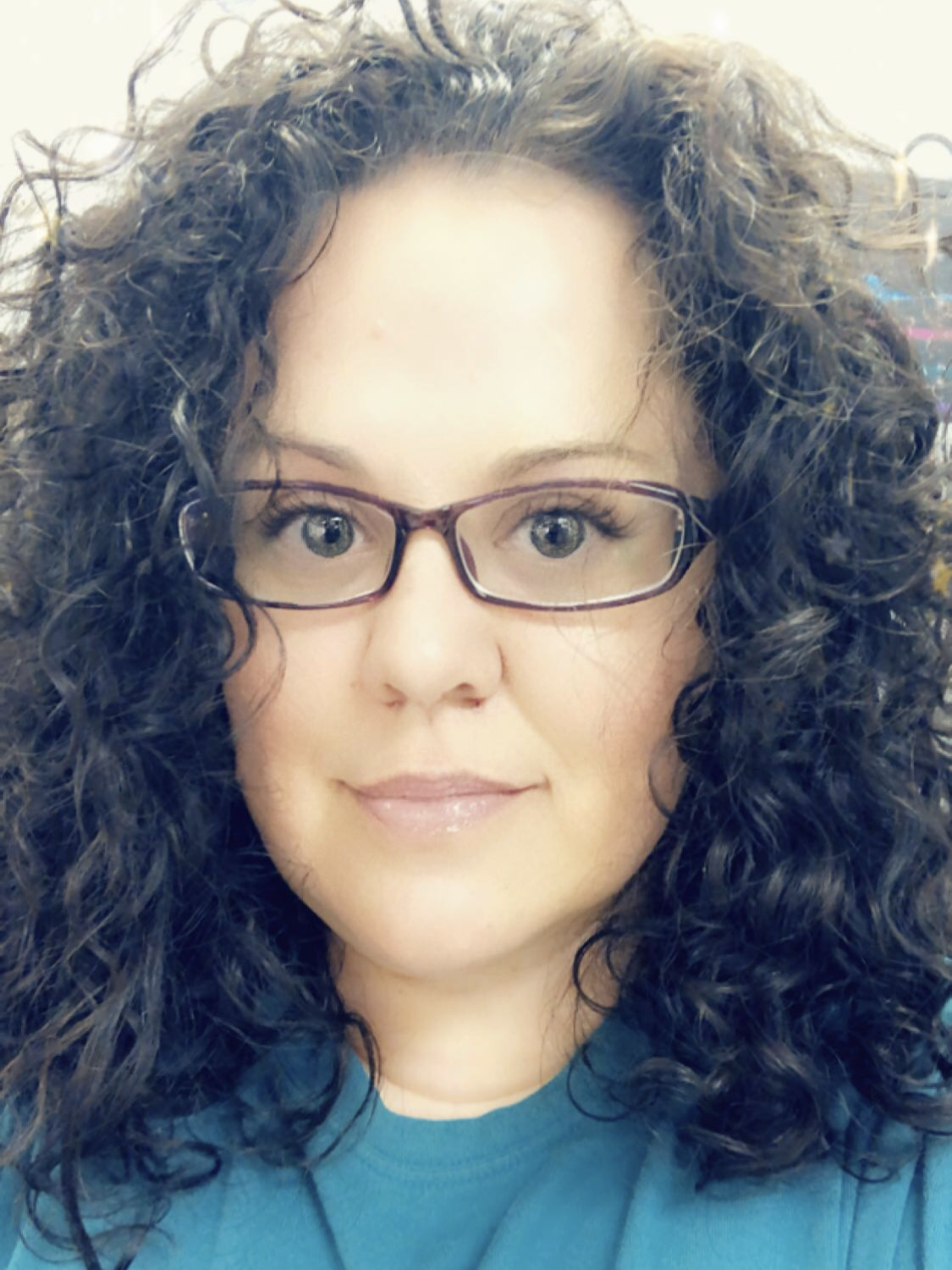 Dana Bremner - Browning Federation of Teachers, Montana
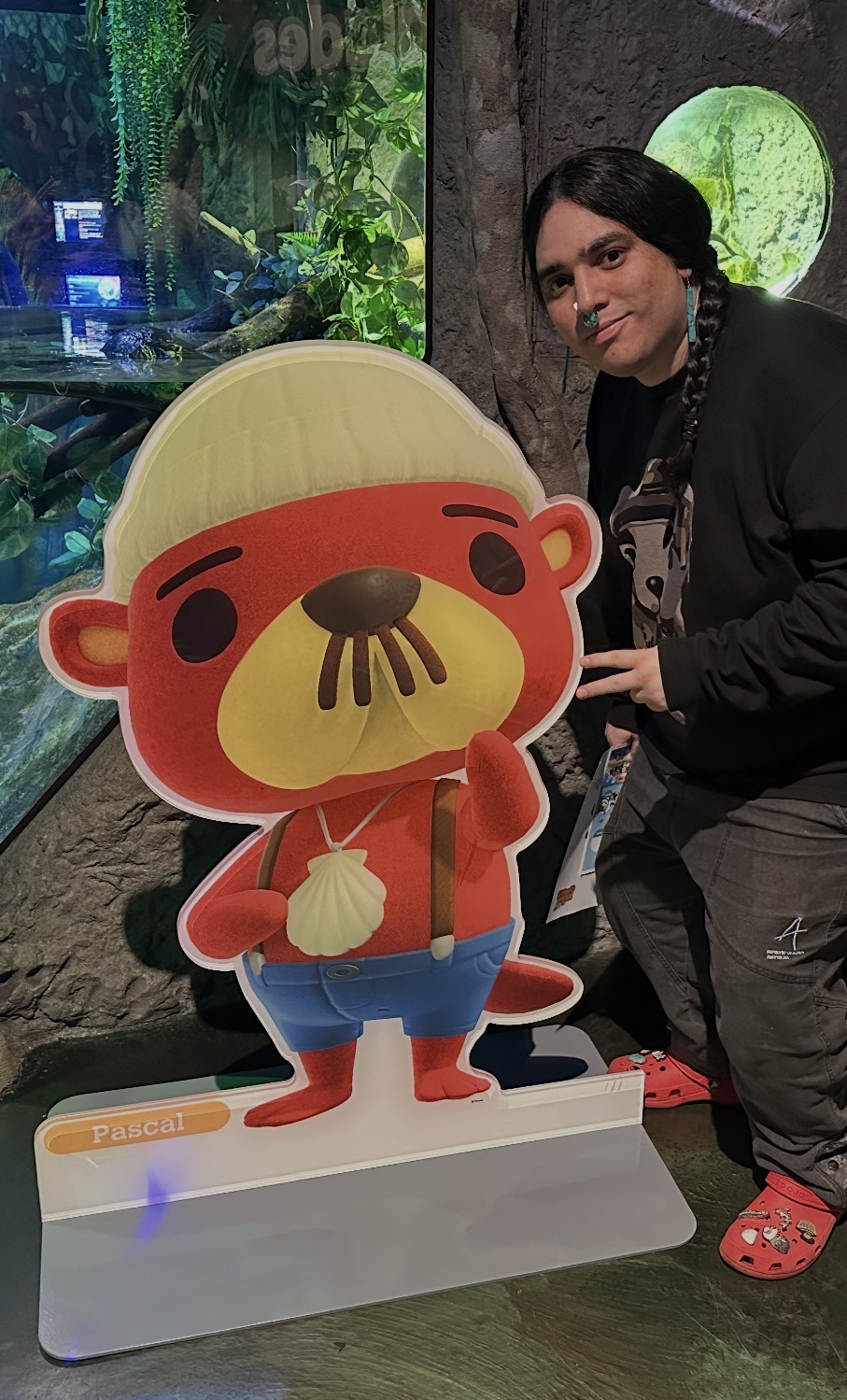 Joseph Morales - Florida Education Association
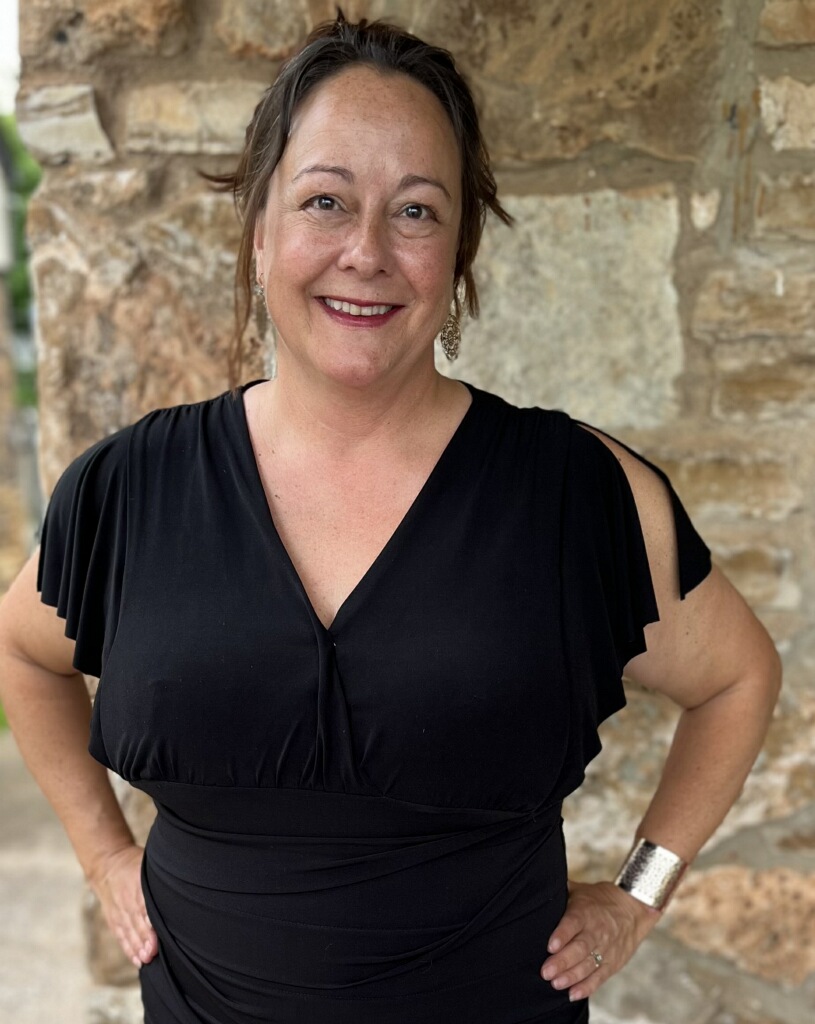 Lisa O'Nan - Oklahoma City AFT, Oklahoma


I enjoyed watching and participating in this webinar, very excited to see my tribe represented.