About This Webinar
The award-winning Vital Lessons series is back for Season 2, kicking off with a timely conversation about how climate change is affecting our health, schools and communities.
From extreme heat and wildfire smoke to worsening asthma, allergies, infectious diseases and mental health challenges, the health effects of a changing climate are already showing up in classrooms and communities across the country.
Join AFT President Randi Weingarten, public health expert Dr. Vin Gupta, and special guest Leah Stokes, Ph.D., Environmental and Political Scientist, as they examine who is most at risk, what schools and communities should be preparing for, and how educators, healthcare professionals, and advocates can help protect the people they serve.
Executive Summary provided by On24 AI:
The webinar focused on how climate change is directly harming student health and learning through extreme heat, wildfire smoke, and other severe weather, with disproportionate impacts on low-income communities and communities of color.
Speakers highlighted that even short-term smoke exposure can trigger serious health effects (including asthma risk, immune impacts, and pregnancy complications), while chronic exposure worsens long-term respiratory outcomes; they recommended practical protections such as sealing buildings, using HEPA filtration, monitoring indoor air/AQI, and using N95s when needed. The core solution discussed was electrifying school buildings—especially upgrading HVAC systems with heat pumps—to improve indoor air quality, provide reliable cooling during heat waves, and reduce fossil-fuel pollution inside and outside schools.
California’s CalSHAPE program was presented as a leading model that has assessed many schools and funded upgrades, but faces execution and funding-extension challenges due to permitting, procurement, and construction timelines; the speakers argued for scaling this approach nationally and equipping educators and communities with clear “how-to” guidance to drive local action and policy change.
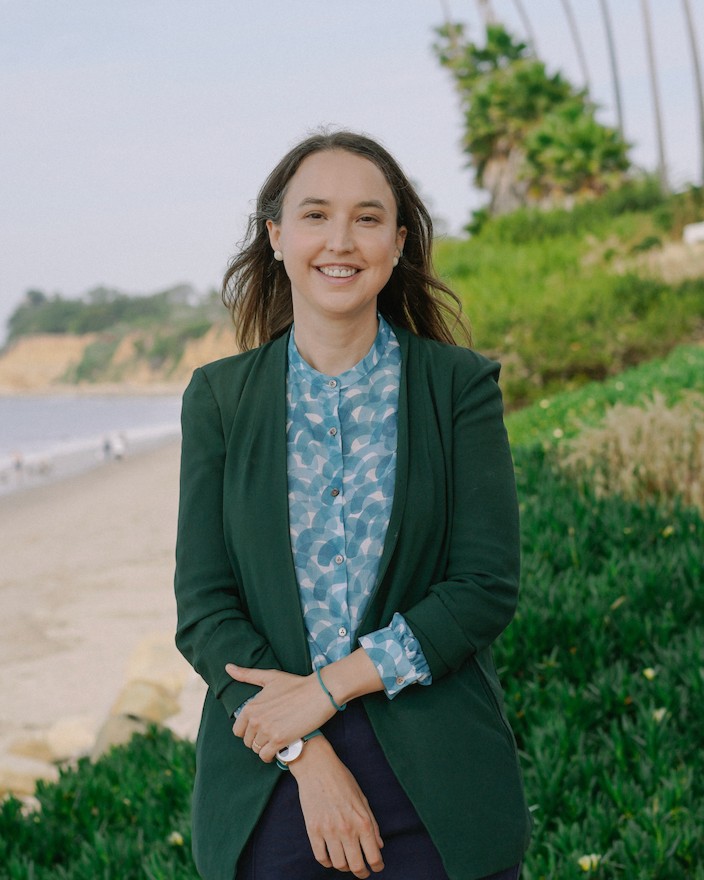 Leah Stokes, Political and Environmental Scientist