Celebrate Disability Pride by exploring the history of the disability rights movement, from the Gang of 19 to the Americans with Disabilities Act, and discover how activists have expanded accessibility, inclusion and democracy in the United States.
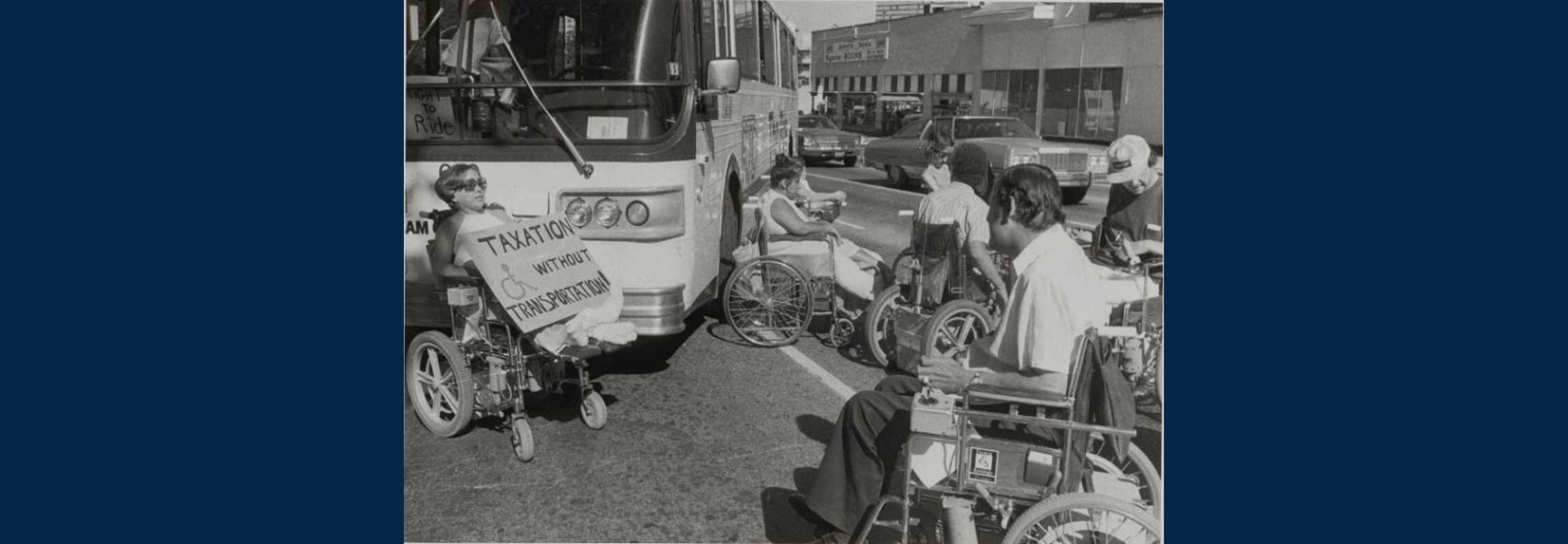
“We will ride!” On a hot day in July 1978, the Denver city bus came to its scheduled stop at the busy downtown intersection of Broadway and Colfax. The doors opened, and a young man in a wheelchair asked the driver if he could get on the bus. Just as a bewildered driver responded “no” and closed the bus doors, 18 women and men quickly and strategically maneuvered their wheelchairs to the front and side of the bus to prevent it from moving forward. When a second bus arrived and attempted to go around the protesters, the group quickly trapped that bus as well, causing a chaotic scene. And so began the civil disobedience campaign demanding the installation of wheelchair lifts on public buses and the recognition of transportation as a civil right. Known as the Gang of 19, these determined and courageous protesters endured lifelong discrimination; some of them endured unimaginable conditions and abuse at institutions where their very humanity was negated. Such was the case at Heritage House, a suburban Denver nursing home for the disabled in the 1970s.
Presbyterian minister Wade Blank went to Heritage House with extensive experience in the Civil Rights Movement. Horrified by the conditions and the lack of exposure to events and activities in the outside world, Blank advocated for the teens and young adults to live outside the facility. Management disagreed. Blank later sued Heritage House for abuse and neglect. Blank used the skills and training he learned from civil rights protests and organized residents to engage in acts of civil disobedience. Denver’s transportation agency soon agreed to install wheelchair lifts on more than 200 buses. The actions in Denver set the stage to address accessibility needs nationwide.
The Gang of 19 later became the core of ADAPT, a disability civil rights group known for protests around the country. In March 1990, disabled activists left their wheelchairs and crawled up the U.S. Capitol steps to pressure Congress to sign the Americans with Disabilities Act, which was introduced in Congress in 1988. Prohibiting discrimination against people with disabilities in everyday activities, the ADA ensures that people with disabilities have the same opportunities as everyone else. The act not only reinforced the principles of equality and inclusion but also provided a legal framework for addressing barriers and promoting diversity in the workforce and community life.
Ultimately, these activists found the strength and courage not only to help themselves but also countless others, and in doing so demanded an acknowledgment of their humanity and value.
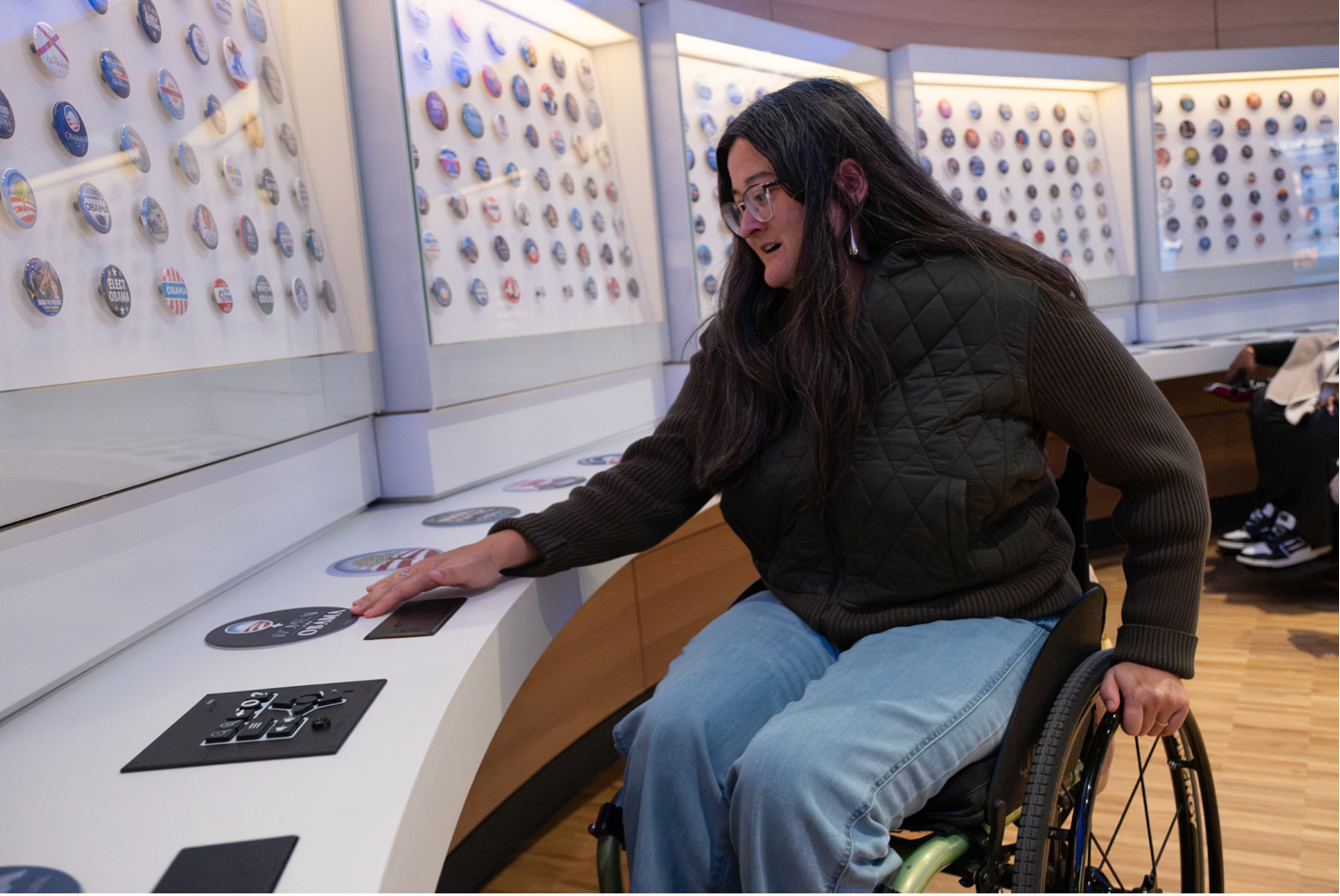
Thirty-six years later, disability activists continue to demand and advance the call for an inclusive society. As stated by President Obama at the opening of the Obama Presidential Center, “And over more than two centuries, through petitions and protests, marches and strikes, moral appeals from the pulpit and conversations at the family dinner table, men and women from all walks of life of every color, every faith, every region took up the cause of democracy and made it their own, until “We the people” came to include not just some of us, but all of us.”
All of us are entitled to the rights embodied in a democratic society. In the year marking the nation’s 250th anniversary of the signing of the Declaration of Independence, it’s essential to state there have been countless contributions to this country by individuals with disabilities—both seen and unseen.
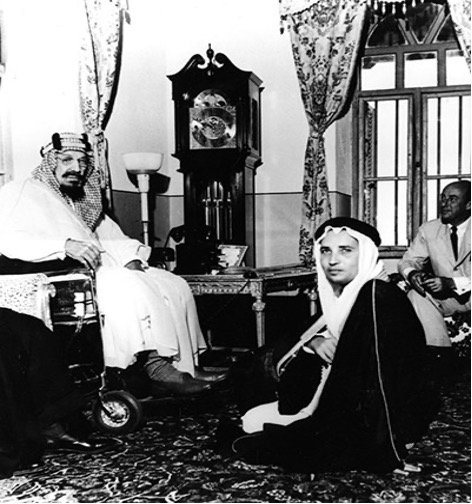
Following the Yalta Conference in 1945, the gifting of a wheelchair by President Franklin Roosevelt to King Ibn Saud of Saudi Arabia was an act of kindness and diplomacy. The personal backgrounds and common interests of the two leaders brought them close together. Yet it was their shared experiences with disability and the offering of the wheelchair that fortified their friendship.
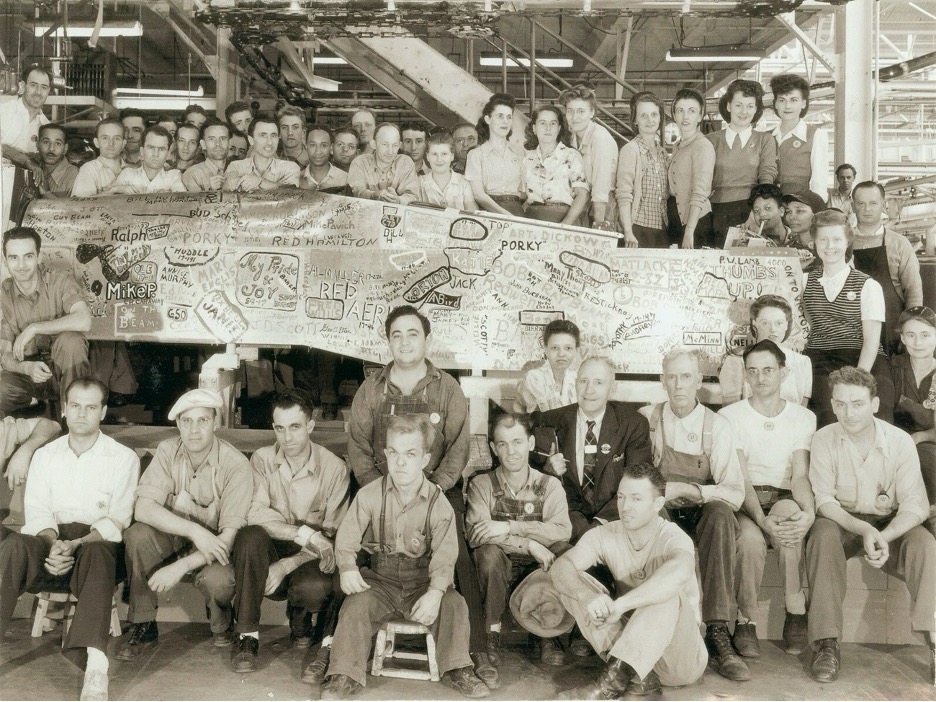
Notably, during World War II, wartime labor shortages and concerns about manpower lowered barriers to defense jobs for people with disabilities, women, people of color, and those who lived at the intersection of those identities. With support from vocational rehabilitation training programs, both industrial and support jobs opened to people with congenital and acquired disabilities that preceded the war, as well as people who had recently acquired them while serving in the military or working at defense plants.
Crew at North American Aviation in Los Angeles. National Park Service RORI1678
Today, the question arises as to how we stay on the path to a more inclusive society where accessibility, for example, is not an afterthought but incorporated into design and implementation. How do we maintain the hard-fought wins such as the provision of needed community services for individuals with disabilities living outside of institutions and continue to create change? While there is debate over the course forward, there is one certainty: We will not go back.
Special Education: Free Lesson Plans and Resources
This curated Share My Lesson collection features some of our favorite prek-12 lesson plans, resources and professional development webinars for working with students and colleagues in the field of special needs education.
In this collection, you will find resources to help students better understand different disabilities, promote inclusion, challenge ableism, and make accommodations for others.