


Menopause Doesn’t Wait for the School Bell
This World Menopause Month, let’s give educators the information, care and workplace support they deserve.

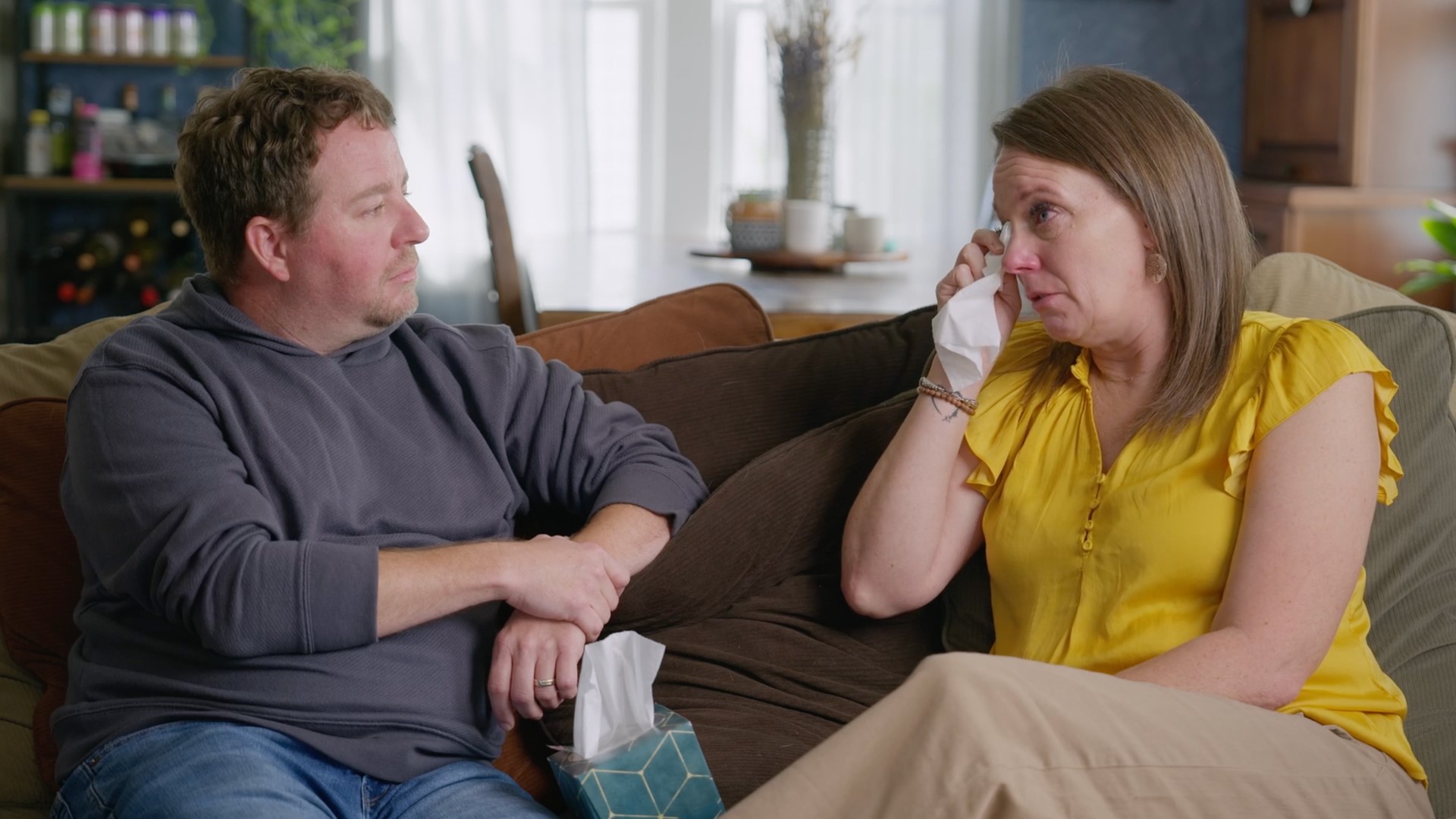
Still image from the film, The M Factor 2.
Share
October 14, 2026
This World Menopause Month, let’s give educators the information, care and workplace support they deserve.
Share
By Denise Pines
It started with a hot flash—mine.
In 2018, I took my own struggles with perimenopause and began a journey I could not have imagined. I wasn’t setting out to build a movement. I was looking for answers and relief. But the more conversations I had with women, the more I understood that this was much bigger than me.[1]
This World Menopause Month, I keep thinking about the woman standing in front of a classroom, trying to teach while something unfamiliar is happening in her body.
Because for a teacher, menopause does not wait for the bell to ring.
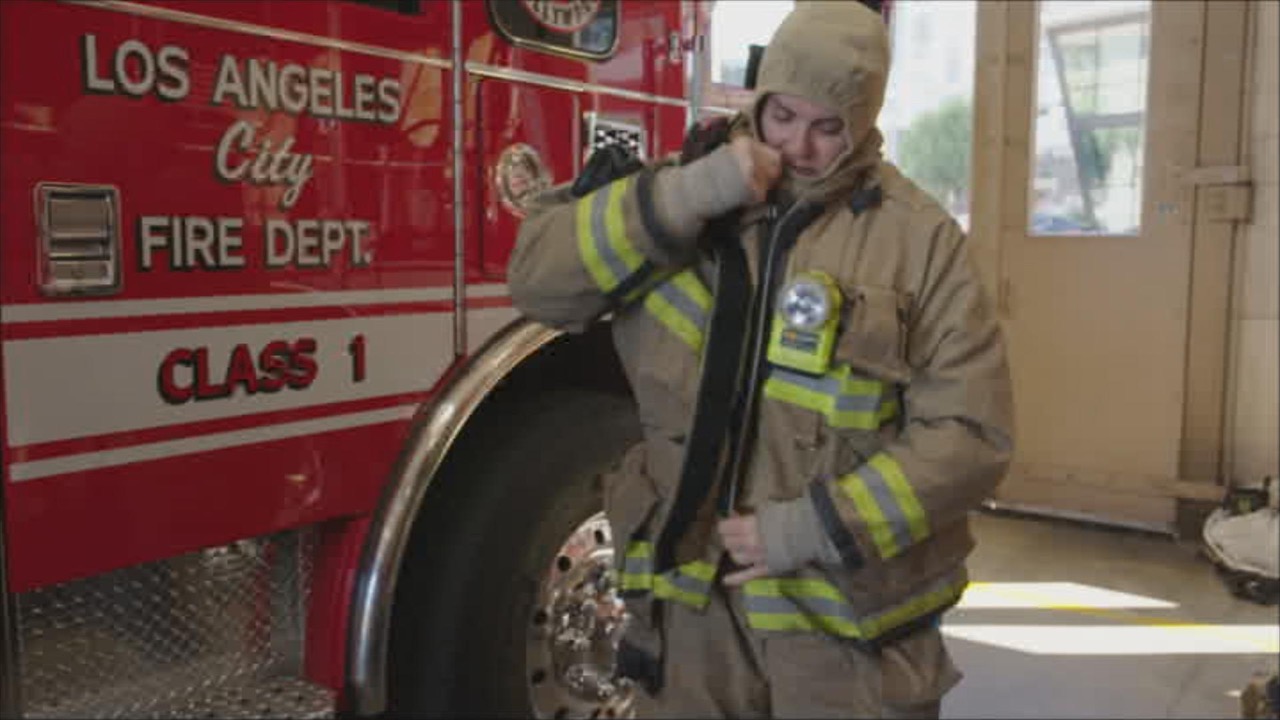
Imagine you are halfway through explaining an assignment when a hot flash hits. You are suddenly sweating, but you cannot step away to cool down. You lose the word you were about to say. You barely slept the night before. Or an unpredictable period means you need the restroom now—not after the next lesson. These are among the kinds of changes women can experience during the menopause transition.[2]
But your students still need you. You cannot leave them unattended, and finding someone to cover your classroom is not always as simple as asking the person next door.
That is what makes this conversation especially important for educators. Advice to “take a break when you need one” means very little without a plan that makes that break possible.
The research shows how deeply symptoms can affect teaching. In a 2024 government survey in England, among female teachers who had experienced perimenopause or menopause symptoms, only 11 percent reported no negative effect on their ability to do their jobs. Anxiety, difficulty remembering things and trouble concentrating were among the most commonly reported impacts.[3]
That is what makes this conversation especially important for educators. Advice to “take a break when you need one” means very little without a plan that makes that break possible.
This is not about whether a woman knows how to teach. It is about whether she has the support to keep doing what she knows how to do.
We need to start by understanding the timeline. Perimenopause is the transition leading up to menopause, when hormonal changes and symptoms can begin while a woman is still having periods. It typically begins in the 40s, sometimes earlier, and can last several years. Menopause is reached after 12 consecutive months without a period.[2]
And symptoms do not necessarily end when periods stop.
A major study following women through the menopause transition found that frequent hot flashes and night sweats lasted a median of 7.4 years. For women whose frequent symptoms began before or early in perimenopause, the median duration exceeded 11.8 years. Those findings describe women with frequent symptoms, not every woman’s experience, but they make one thing clear: This is not always a brief disruption.[4]
Think about that in school years. That can mean years of lesson plans, parent conferences, grading and showing up for students while trying to understand and manage changes in your own body.
“Just get through it” is not a care plan. And it should not be a workplace strategy.
One of the most frustrating parts of this transition is not knowing what is happening, or where to find information you can trust.

A Gallup survey published in September 2026 found that just 37 percent of U.S. women said they had a good understanding of menopause symptoms, and only 25 percent said they understood treatment options. Among women who had experienced menopause, 37 percent said they first learned about it when they began experiencing symptoms themselves.[5]
Educators understand the value of preparation. Why are we asking women to navigate a major life transition without it?
The knowledge gap also reaches the examination room. A study published in Mayo Clinic Proceedings in 2019 surveyed 177 resident physicians in family medicine, internal medicine, and obstetrics and gynecology. Only 6.8 percent felt adequately prepared to manage women experiencing menopause. That finding pertains to doctors in training, not every practicing physician, but it points to a serious gap in medical education.[6]
There are knowledgeable clinicians doing excellent work. Yet, finding the right care can still take persistence. In the 2026 Gallup survey, 23 percent of women ages 35 and older who had sought or received menopause treatment said they had to see multiple providers before their symptoms were addressed or diagnosed.[5]
Women should not have to become menopause experts just to find someone who can help them.
My own search for relief led me to work with my doctor and co-create Hot Flash Tea. Conversations with women led to WisePause Wellness, where we bring women together with health professionals, education and the community. Then came The (M) Factor: Shredding the Silence on Menopause and The (M) Factor 2: Before the Pause—films we produced to bring these experiences out of the shadows and into public conversation. Both aired on PBS.[1]
I have also advocated for menopause legislation in California and partnered with MiDOViA to help employers strengthen education, policies and workplace support. Organizations such as CVS Health have earned Menopause Friendly Accreditation, demonstrating that employers can take concrete steps beyond simply acknowledging the issue.[1,7]
And on Sept. 16, 2026, the U.S. Senate Special Committee on Aging held the first-ever congressional hearing on menopause, putting gaps in research, training and care directly before policymakers.[8]
I am proud of that progress. But a hearing, a film or a workplace policy only becomes meaningful when it changes something for the woman who needs help.
For educators, that change has to reach the classroom.
I would start with a practical question: When a teacher needs to step out, who can safely cover her classroom?
A dependable coverage plan should not require her to explain a private health issue in the hallway or repeatedly ask a colleague to give up planning time. Access to water, a fan or a cooler space should be straightforward. Time for medical appointments should be part of the conversation, too.
I would also bring principals, human resources staff and union representatives into menopause education. They do not need to diagnose anyone. They do need to know how to listen, protect privacy and respond to a request for support without treating it as a lack of commitment.
As World Menopause Day (Oct. 18) approaches, my hope is that every school community will choose an action: share reliable resources, organize education or establish a classroom coverage plan.
School districts and local unions can work together to review benefits, identify gaps and create a clear, confidential process for requesting help. Staff should know what support exists without being required to publicly disclose their symptoms.
This is not about lowering expectations for women. It is about removing avoidable barriers so experienced educators can continue doing the work they love.
For clear health information, The Menopause Society offers patient education and a clinician directory that identifies professionals who have earned its Menopause Society Certified Practitioner credential. The National Institutes of Health’s MedlinePlus also provides an accessible overview of symptoms and treatment options. These are useful starting points for an informed conversation with a healthcare professional.[9,2]
Before an appointment, write down what has changed and how it affects your life. Be specific: “I am waking several times a night,” or “I am having trouble concentrating during lessons.” Bring your questions and ask about possible causes, treatment options and follow-up. You deserve a clinician who listens and takes your concerns seriously.[10]

Our M Factor films and WisePause Wellness programs offer additional ways to learn and start conversations. A staff discussion or union-sponsored screening can open the door—but it should lead to practical support, not end with awareness.[11]
As World Menopause Day (Oct. 18) approaches, my hope is that every school community will choose an action: share reliable resources, organize education or establish a classroom coverage plan.[12]
I think about my nieces often in this work. I want their generation to inherit something better than we did: less confusion, better care, the ability to ask for what they need without shame.[1]
And I want that for the women educating the next generation right now.
There is power in the pause. But no educator should have to put her health—or the work she loves—on hold to get through it.
Menopause does not wait for the bell. Neither should our support.

Denise Pines, MBA, is a Peabody Award–winning filmmaker, health advocate and entrepreneur at the forefront of midlife women’s wellness. She’s the founder of WisePause Wellness a pro-aging education and workplace platform and the Menopause Recognition Awards, co-founder of Tea Botanics and the inspiration of the award-winning Hot Flash Tea found in Target stores, and leader of the FemAging Project, driving healthtech innovation for women 40+. In her roles as president of the Osteopathic Medical Board of California and board executive of the Federation of State Medical Boards, she shapes healthcare policy. She’s produced 14 documentaries that spark cultural change. Her most recent film, “The M Factor: Before the Pause,” brought men into the menopause conversation. As a sought-after speaker, she has led groundbreaking first-of-their-kind conversations on global stages, including the Aspen Ideas Festival, the World Economic Forum, SXSW and CES. (www.themfactorfilm.com; wisepause.com)
Source notes correspond to the numbered references in the blog.
Join Dr. Vin Gupta—pulmonologist, public health expert, and professor—for a yearlong series offering expert-led webinars, blogs, resources, and Q&A sessions on pressing health issues to help AFT members and communities stay informed and healthy. Access all on-demand town halls and register for the next one.


