. Skip to main content
Common Sense

Common Sense Media's New Digital Literacy & Well-Being Curriculum for Grades 9-12

September 10, 2026

Common Sense Media's New Digital Literacy & Well-Being Curriculum for Grades 9-12

Explore six pathways and free lessons that help high school students build artificial intelligence literacy, media literacy, digital well-being, financial literacy and online safety skills.

Share

Share On Facebook
Share On Twitter
Share On Pinterest
Share On LinkedIn
Email

By Jennifer Ehehalt, Common Sense Media

A curriculum overview for high school educators, administrators and school counselors

As I think about the year ahead, I keep coming back to one question: What are the digital life skills our students need right now?

Students are navigating artificial intelligence, social media, online shopping, digital conflict, health information, and an endless stream of content—often all before they walk into first period. These aren't just "technology topics." Digital literacy helps high school students evaluate online information, understand how AI and algorithms work, make informed decisions, and navigate digital relationships and risks. These skills connect directly to students' learning, relationships, well-being, decision-making and future success.

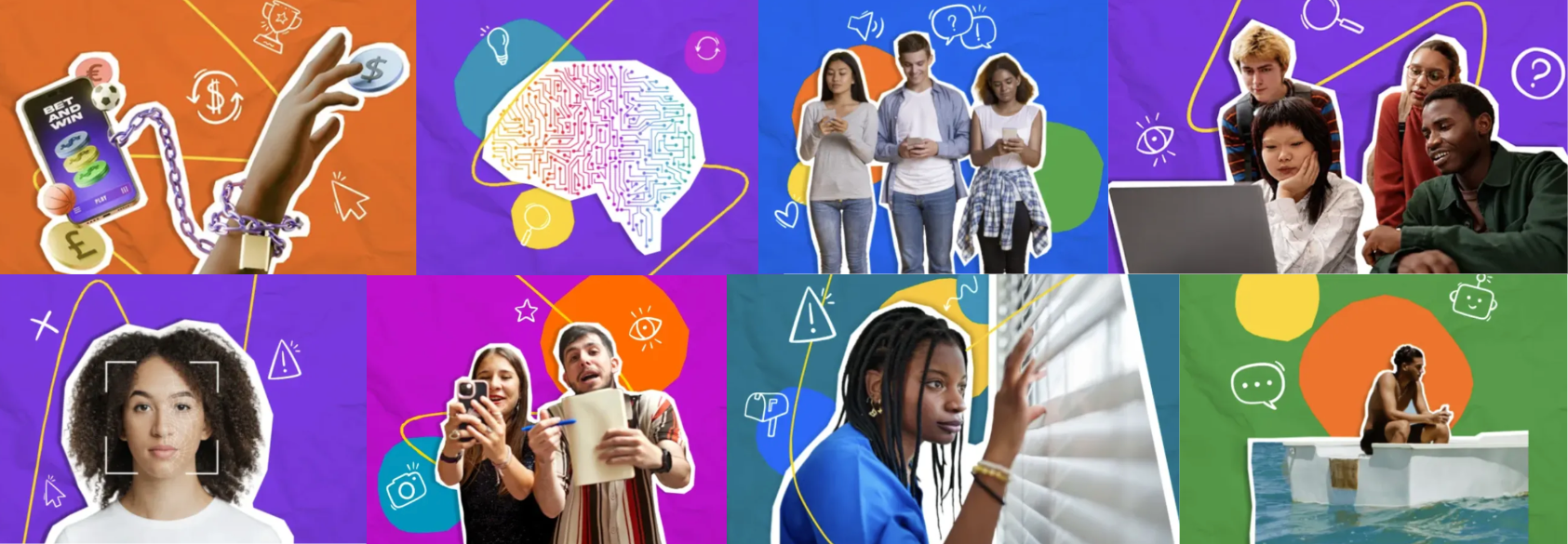
That's why I love thinking about digital literacy for grades 9-12 through the six pathways in Common Sense Media's Digital Literacy & Well-Being Curriculum. Each pathway gives educators a natural entry point for meaningful conversations and practical skills that students can use immediately.

Here are six pathways to consider for your high school classroom: 

1. Freshman Foundations

The transition to high school is a big one. Students are gaining new independence while simultaneously navigating academics, friendships, extracurriculars, social media and a whole new set of expectations.

My lesson pick: How Your Attention Shapes You

This lesson gives students an opportunity to think about where their attention goes—and how technology competes for it. It's a natural fit for advisory, freshman seminar, or the first weeks of high school.

Why I'd try it: It opens the door to a conversation about technology and avoids starting with "Put your phone away." Instead, students are invited to think about their own choices, habits and goals.

2. Financial Literacy

Financial literacy looks very different for today’s students. They’re not just learning how to save, budget and spend—they’re growing up in digital spaces designed to influence what they buy, how long they stay and what they do next.

My lesson pick: Wanna Bet? The Betting Playbook

I would put this one at the top of my list right now. Sports betting and online gambling are increasingly visible in the digital spaces that students encounter, which makes this an important opportunity to help students understand the math and psychology behind betting before they're faced with real-world decisions. 

Why I'd try it: I love lessons that take something students see in the real world and turn it into an opportunity for critical thinking. This one connects math, financial literacy and decision-making in a way that feels relevant rather than theoretical. 

3. AI Literacy

AI is a part of students' everyday lives and their school experiences. But AI literacy isn't simply about knowing which tools to use. Students need to understand how AI works, where it can be helpful, where it can fall short, and when human judgment matters most.

My lesson pick: How Does AI Learn?

If you're just beginning conversations about AI with students, this is a great place to start.

Why I'd try it: Before we ask students to use AI responsibly, they need a basic understanding of what's happening behind the screen. This lesson helps make an abstract topic more concrete and gives students a foundation for future conversations about bias, accuracy, privacy and decision-making.

And perhaps most important, as AI becomes more integrated into learning, we have an even greater opportunity to emphasize the human skills that AI can't replace: curiosity, creativity, collaboration, communication and critical thinking.

4. Media Literacy

Students are surrounded by information. The challenge isn't simply finding information anymore; it's figuring out what deserves our trust and attention.

Media literacy gives students a set of habits they can use in every subject area to question, investigate, verify and think critically.

My lesson pick: How to SIFT with AI

I especially like this lesson because it brings a familiar media literacy strategy into a world where AI is increasingly part of how students find and create information.

Why I'd try it: It helps students see that AI doesn't eliminate the need to evaluate information—it makes those skills even more important, and it builds healthy online habits.

And that's really the heart of media literacy: We're not teaching students what to think. We're teaching them how to think.

5. Health & Wellness

Students aren't just connecting with friends online. They form connections with influencers and creators; participate in online communities; and turn to AI chatbots for simulated conversation, advice and companionship. These experiences can be meaningful, but they also raise important questions about boundaries, trust, authenticity, privacy and what makes a relationship healthy. 

My lesson picks: Parasocial Relationships: From Fan to Fanatic and Drifting Toward the Chatbot 

Why I'd try these: I love that these lessons don't simply tell students what is "good" or "bad" technology use. Instead, they invite students to think critically about their own experience and relationships, and to recognize when a digital connection is supporting their well-being and when it interferes with healthy real-world relationships. 

6. Online Harms & Safety

Online safety has become much more complicated than simply knowing not to share your password. Students are navigating manipulated images and videos, AI-generated content, privacy threats, and situations where information shared online can quickly spread beyond their control. 

My lesson picks: Deepfake Nudes and Consent and Doxxing: Know Your Risk 

Deepfakes are becoming easier to create and harder to recognize, which makes this an important conversation for students. A deepfake can affect how someone is perceived; damage their reputation; or be used to harass, embarrass or deceive. And doxing is a real risk, powered by the everyday personally identifiable information that students share without realizing it.

Why I'd try these: This is an area where students need more than a warning. They need opportunities to ask questions, consider different perspectives, and think critically about what they're seeing and sharing. 

Note: I know topics like these can feel uncomfortable to teach, and educators may worry about saying the "right" thing or not having all the answers. You don't have to have all the answers. You just have to create a space where the conversation can happen. 

Common Sense Media's Digital Literacy & Well-Being Curriculum gives teachers a free, research-backed framework for building students' digital literacy skills. Whether you’re starting with AI literacy, financial decision-making or digital well-being, each pathway offers a practical way to help students think critically about the technology shaping their lives. Explore the full curriculum and choose the lesson that best fits the conversations your students are ready to have.

Explore Digital Literacy Resources

Looking for classroom-ready ways to strengthen these skills? Browse our collection of digital literacy lessons, activities, and professional learning resources designed for grades 6–12.

📰 Find Even More Media Literacy Resources

Give your students the tools to think critically, spot misinformation, and understand the media they consume. Explore lesson plans, classroom activities, and professional development designed to build essential media literacy skills across subjects and grade levels.

Common Sense Education
Empowering educators and students with resources to harness the power of technology for learning and life. For more information about Common Sense Education and to access our many free lessons and resources, visit our website.
Advertisement

Post a comment

Log in or sign up to post a comment.