
About This Lesson
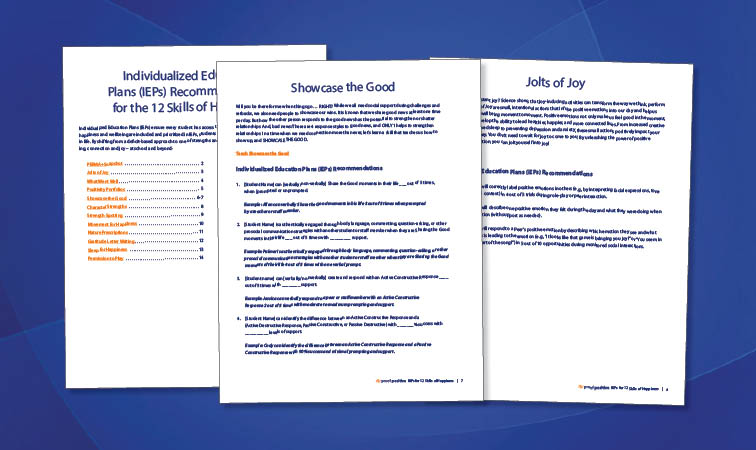
Wellbeing belongs in every student's educational journey. This resource helps educators, service providers, and families move beyond deficit-focused planning by incorporating positive psychology and wellbeing goals into Individualized Education Programs (IEPs).
The 12 Skills of Happiness IEP Recommendations provide practical, autism-friendly examples that help teams integrate strengths, wellbeing, social-emotional learning, engagement, relationships, emotional regulation, and happiness into student goals and supports.
Grounded in positive psychology and designed specifically for autistic learners, this resource offers meaningful ways to help students flourish both in school and beyond.
Here's what you'll get
- IEP recommendations for all 12 Skills of Happiness
- Goal-writing examples and implementation ideas
- Autism-friendly wellbeing supports
- Strengths-based planning strategies
- Social-emotional learning connections
- Access to additional wellbeing resources and lesson plans
Why you'll love this resource
- Makes wellbeing a measurable educational outcome
- Supports strengths-based IEP development
- Provides practical goal-writing examples
- Helps connect academic, behavioral, and wellbeing goals
- Encourages student self-awareness and self-determination
- Designed with autism-friendly learning principles in mind
Ways to use
- IEP development meetings
- Annual review planning
- Transition planning discussions
- Social-emotional learning goal development
- Student-led IEP preparation
- Collaboration with families and multidisciplinary teams
What Are the 12 Skills of Happiness?
Research shows that happiness and wellbeing are not simply traits people are born with—they are skills that can be learned, practiced, and strengthened over time.
The 12 Skills of Happiness introduce students to evidence-informed wellbeing practices that support positive emotions, relationships, engagement, meaning, accomplishment, health, and resilience. Skills such as Character Strengths, What Went Well, Showcase the Good, Movement for Happiness, Nature Prescriptions, Sleep for Happiness, and Permission to Play help students build the foundation for lifelong wellbeing.
By intentionally teaching and supporting these skills, educators can create opportunities for students to thrive socially, emotionally, behaviorally, and academically.
Why Wellbeing Matters in IEPs
Traditional IEPs often focus on reducing challenges and remediating deficits. While these supports are important, students also benefit when educational plans intentionally build strengths, relationships, confidence, engagement, and happiness.
When wellbeing is included as an educational priority, students are more likely to:
- Build stronger relationships
- Develop greater resilience
- Increase engagement and motivation
- Improve self-awareness and self-advocacy
- Experience more positive emotions
- Develop lifelong skills for flourishing
Looking for more SEL resources?
Explore the free full lesson plans and unit studies on happiness skills at our Skill Center. All units include teaching slides, additional worksheets and activities, and even IEP and BIP recommendations tailored specifically to students with autism.
Proof Positive’s resources are and will always be free. Be well!