
About This Lesson
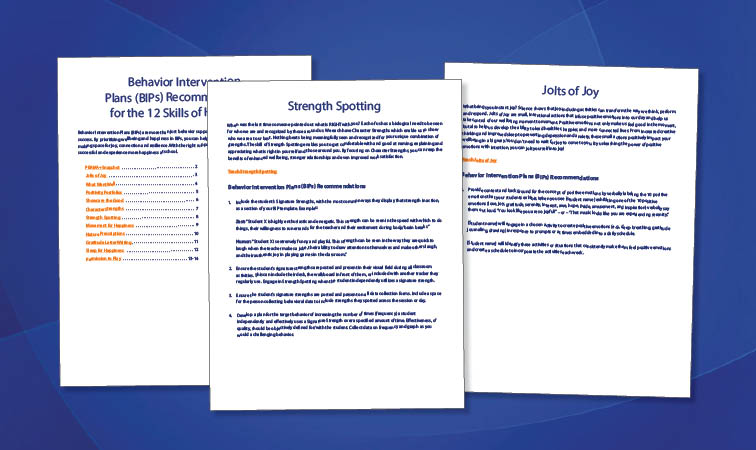
Behavior Intervention Plans (BIPs) can reduce challenging behavior and support students in building happiness, resilience, emotional regulation, and wellbeing. This resource provides practical, autism-friendly recommendations for incorporating the 12 Skills of Happiness into Behavior Intervention Plans. Using a positive psychology approach, educators can proactively teach replacement skills, strengthen positive behaviors, support emotional regulation, and create opportunities for students to experience more success and wellbeing throughout the school day.
Rather than focusing solely on reducing problem behaviors, this resource helps teams identify ways to build positive experiences, meaningful relationships, engagement, and strengths-based supports.
Here's what you'll get
- BIP recommendations for all 12 Skills of Happiness
- Proactive behavior support ideas
- Emotional regulation and wellbeing strategies
- Strengths-based intervention recommendations
- Autism-friendly implementation suggestions
- Access to additional wellbeing resources and lesson plans
Why you'll love this resource
- Connects behavior supports with wellbeing outcomes
- Provides proactive intervention ideas rather than reactive strategies alone
- Supports emotional regulation and resilience
- Encourages strengths-based behavior planning
- Helps increase student engagement and motivation
- Designed specifically with autistic learners in mind
Ways to use
- Behavior Intervention Plan development
- Functional behavior assessment follow-up planning
- School psychologist and behavior specialist collaboration
- Special education team meetings
- Classroom behavior support systems
- Family-school partnership discussions
What Are the 12 Skills of Happiness?
Positive psychology research shows that wellbeing can be intentionally cultivated through specific habits, practices, and experiences.
The 12 Skills of Happiness teach evidence-informed strategies that support positive emotions, healthy relationships, engagement, accomplishment, meaning, physical health, and resilience. Skills such as PERMA+ Snapshot, Character Strengths, Strength Spotting, Movement for Happiness, Nature Prescriptions, Sleep for Happiness, and Permission to Play help students build lifelong tools for wellbeing.
When incorporated into behavior supports, these skills can help students learn healthier replacement behaviors, improve emotional regulation, increase positive experiences, and strengthen overall quality of life.
Why Wellbeing Matters in Behavior Planning
Students are more likely to succeed when behavior plans focus not only on reducing challenges but also on increasing positive experiences.
Wellbeing-centered behavior supports can help students:
- Build emotional regulation skills
- Increase positive emotions throughout the day
- Strengthen relationships with peers and adults
- Improve engagement and participation
- Develop confidence and self-awareness
- Experience greater success at school and beyond
By intentionally building wellbeing into BIPs, educators can help students move beyond behavior management toward flourishing.
Looking for more SEL resources?
Explore the free full lesson plans and unit studies on happiness skills at Proof Positive's Skill Center. All units include teaching slides, additional worksheets and activities, along with practical ideas for supporting student wellbeing through behavior supports and positive psychology practices.
Proof Positive's resources are and will always be free. Be well!