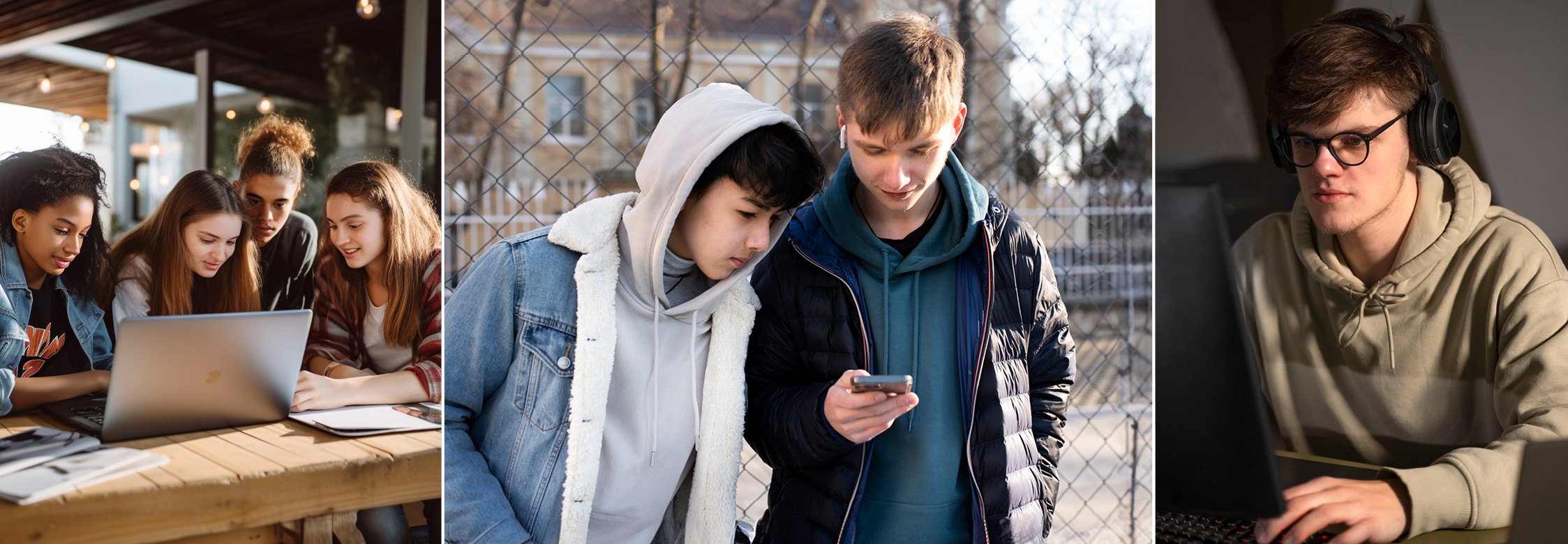
Critical comprehension helps students become active interpreters rather than passive consumers. Questions such as "Who created this?" and "What is this trying to make me believe?" encourage students to look beneath the surface.
Reflection builds resilience. Students learn to pause before reacting. They become more aware of emotional manipulation and more capable of recognizing it when content is designed to provoke outrage, fear, or hostility. We can start developing this awareness in elementary grades using the free curriculum “Developing & Using Critical Comprehension,” which will be introduced in the Summer of Learning webinar “Student Wellness, Equity and Resilience in an Online World: Strategies for K-12.”
Connecting Critical Comprehension and Social-Emotional Learning
When students analyze online content, they are also learning about themselves. A discussion about a viral video can become a conversation about empathy. Examining a stereotype can lead to deeper questions about fairness and identity. Young students then recognize that people often interpret the same event differently because they bring different experiences and assumptions to it.
This work is especially important as young people encounter online narratives about gender. Many students are exposed to influencers who promote rigid ideas about masculinity, femininity, power and relationships. Some content normalizes disrespect toward girls and women; other content frames equality as a threat.
Instead of ignoring these messages, educators can teach students to examine them critically. Who benefits from this message? What assumptions does it rely on? What evidence supports it? How might different people experience it?
Students also need opportunities to challenge the assumption that everyone sees the world the way they do. Algorithms tend to deliver more of what users already engage with. Over time, students may begin to believe that the views they encounter online are more widely accepted than they actually are.
Helping students critically examine online communities that promote rigid ideas about gender begins with curiosity. It means exploring multiple perspectives, learning to ask questions before drawing conclusions, and approaching disagreement as an opportunity to learn.
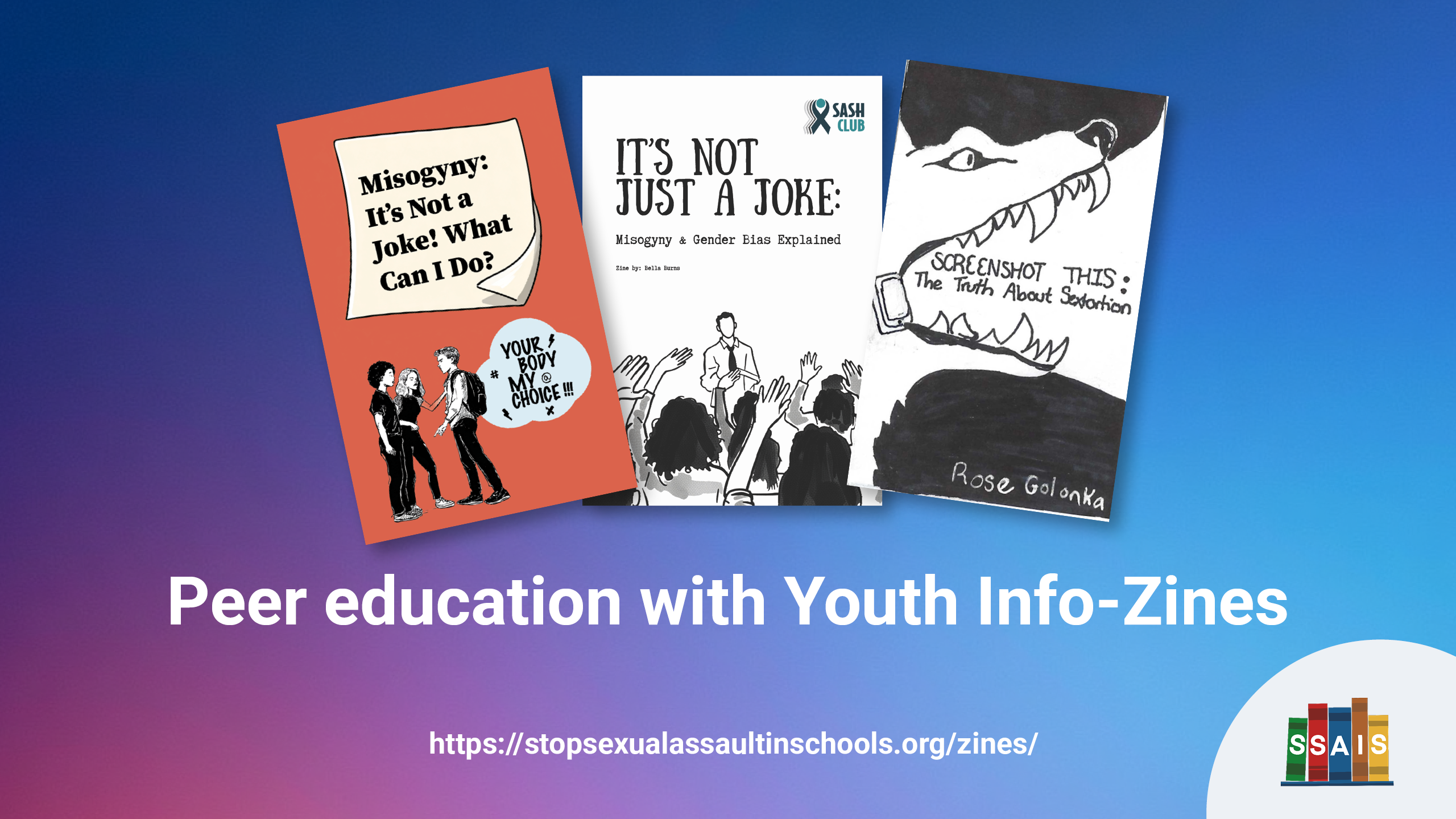
Schools are already supporting this work through student leadership and peer education. Programs such as Students Against Sexual Harassment (SASH) Club, Girls Learn International, projects like youth-created Youth Safety and Equity Info-Zines and the #MisogynyFreeSchools initiative encourage students to examine harmful online narratives.
Preparing Students for a Complex Digital World
The online world is engineered for engagement. Information appears instantly. Recommendations lead to more recommendations. Content is curated by systems that students rarely see and understand.
As young people enter adolescence, they will encounter increasingly sophisticated efforts to shape their beliefs: messages that appeal to fear, exploit loneliness or a desire for belonging, and offer simple answers to complex social problems.
When children learn to question stereotypes, evaluate evidence and recognize manipulation, they are better prepared to navigate digital environments that often reward reaction rather than reflection. Those skills provide a foundation for sound judgment, responsible citizenship and healthy relationships.
Partnering with Families
Families play an essential role in helping children make sense of what they encounter online. Educators can support those efforts by creating opportunities for conversation and sharing resources that encourage thoughtful engagement with digital media.
When adults approach these discussions with openness rather than judgment, students are more likely to share what they are seeing, hearing and experiencing. By teaching students how to question, analyze and reflect on digital content beginning in elementary school, we prepare them not only for academic success but also for participation in a democratic society. We help them become thoughtful and resilient young people who can engage with information and each other in ways that strengthen their schools, communities and future.
Educators, school staff and parents can learn more about free resources to address bias, stereotypes, misogyny and online influence in the July 29 Summer of Learning webinar “Student Wellness, Equity and Resilience in an Online World: Strategies for K-12” presented by Stop Sexual Assault in Schools. Register to watch on demand. Professional development credit is available.